



Oval Squeeze Tubes vs Round Squeeze Tubes: Which Is Better for Your Product?

We are a One-Stop Service Customized cosmetic packaging factory, and have more than 20 years rich experience in customization cosmetic tubes, squeeze tubes, ABL tubes, PBL Tubes, Airless Pump Tubes, Lip gloss Tubes, Skin care Tubes, PCR (Post-consumer recycled) Tube, etc.
The honest answer to which is better for your product? is that neither shape wins by default. Your priorities decide. Round tubes deliver cost efficiency and a classic look. Oval squeeze tubes bring modern aesthetics and stronger shelf standout. This comparison weighs both shapes on technical performance, application fit, regulatory compliance, and cost, so you can match a shape to your cosmetic oval tube packaging. LISSON supplies both, which keeps this guidance balanced and practical for your next packaging decision.
Key Takeaways
- Round tubes cost less and work with standard filling lines, making them ideal for high-volume, budget-friendly products.
- Oval tubes offer a modern look and better shelf standout, perfect for brands that want to differentiate.
- Oval tubes provide ergonomic grip and wide openings for lotions and gels, improving user experience.
- Recyclability depends on material and closure combination, not tube shape alone.
- Test both shapes with your actual product and filling line before committing to a large order.
Which Is Better for Your Product? The Short Answer
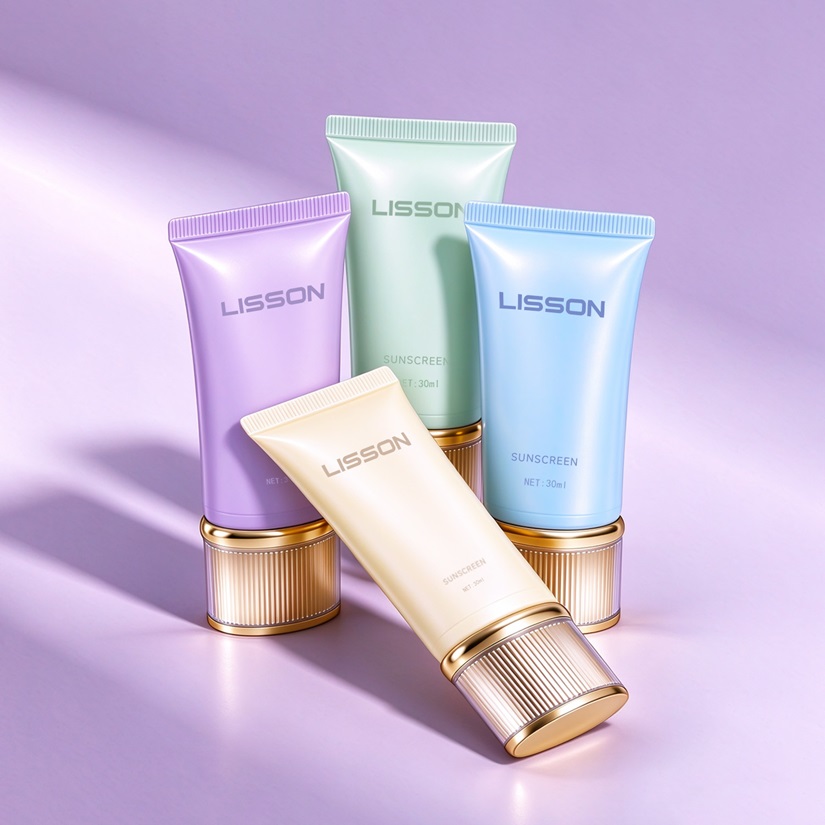
No universal winner exists here. The right shape follows from your product type, your budget, and your shelf strategy. A buyer who asks which is better for your product? really needs a match, not a verdict. Each shape solves a different set of problems well.
When Round Tubes Win
Cost efficiency is the first argument. Round tubes run on standard molds and fast extrusion lines, so base production stays lower. They also accept a wide range of filling, capping, and automated production equipment without special setup. That compatibility matters when you plan large-volume runs. Filling and sealing stay simple, and the format offers a wide selection of diameters and capacities. Decoration is flexible too, since printers and labelers handle the curved surface with proven methods. Classic appeal rounds out the case. Shoppers recognize the silhouette, and it signals value and trust. For high-volume cosmetic tubes and everyday personal care items, this shape rarely surprises anyone on the line or on the shelf.
When Oval Tubes Win
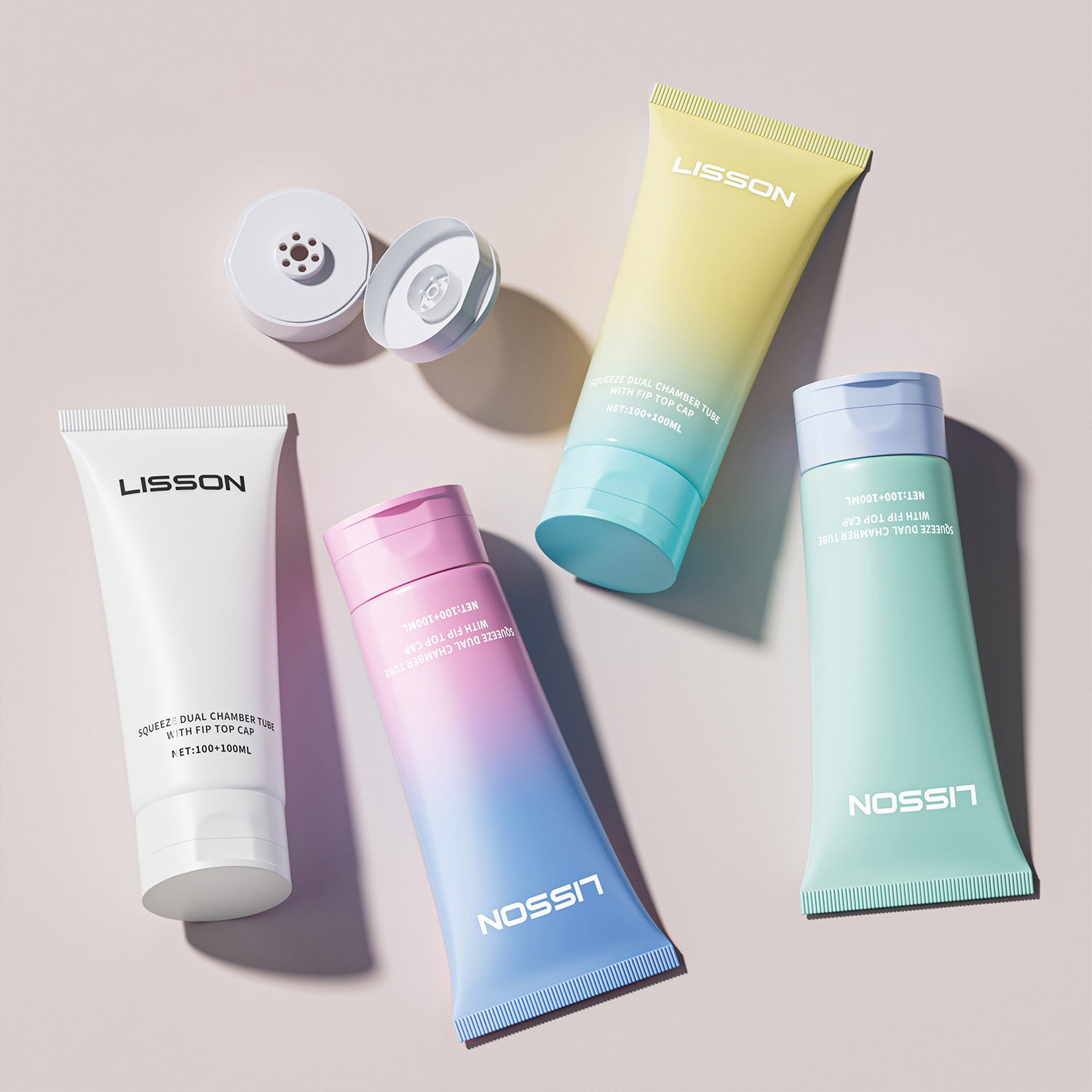
Oval tubes answer a different brief. The flattened profile creates a modern look and stronger shelf standout. The shape also fits comfortably in the hand. A contoured body with a smooth, non-slip surface helps prevent slippage, even when hands are wet. Tapered, flexible walls let users push out the contents efficiently, and wider openings with better grip zones support one-handed dispensing. That wide opening covers more skin at once, which suits lotions and gels. It also helps prevent spills during application. Smooth squeeze behavior keeps the dose controlled. For brands that want a distinctive package and a pleasant application experience, oval squeeze tubes earn their place.
The cost picture explains much of the split. Round formats offer more material choices and usually cost less. Oval formats can cost higher due to special molds, extra materials and work, and premium finishing, though they deliver a more distinctive, ergonomic, and eye-catching package.
Round tubes offer more material choices and usually cost less, while oval tubes can cost higher due to special molds, extra materials/work, and premium finishing—though they provide a more distinctive, ergonomic, and eye-catching package.
Weigh both shapes against your priorities before you commit. Cost-sensitive, high-volume programs often lean round. Shelf-differentiation programs often lean oval. Neither choice is wrong. The fit is what counts.
Technical Performance of Oval vs Round Tubes
Material Options and Squeeze Feel
You can specify oval squeeze tubes and round tubes in plastic, laminate, or metal. Metal and aluminum tubes deliver a durable, high-end feel that suits premium lines. Plastic covers a wide range of behaviors, and the resin you pick shapes the squeeze.
|
Material |
Squeeze feel |
Barrier and other traits |
|---|---|---|
|
LDPE |
Soft, minimal pressure needed |
Lower barrier than HDPE |
|
HDPE |
Stiff, firm pressure, snaps back |
Higher stiffness and barrier |
|
PP |
Rigid, less yielding |
Excellent chemical resistance |
|
Laminate (PE + PET) |
Firm, controlled squeeze |
Superior protection from air, moisture, light |
Surface finish matters too. A matte tube gives a soft, velvety grip. A glossy tube feels smooth and sleek.
Oval tubes help product flow out smoothly through a wide opening. Round tubes offer familiar, even dispensing. Either way, the tube protects your formula from air and the environment, and a laminate barrier layer adds light and moisture protection.
Filling Line Compatibility
Round tubes fit most standard filling lines without special setup. That compatibility keeps high-volume runs simple and predictable.
Oval tubes may need an orientation check on the line, because the flattened body must align with the filler and sealer. Confirm this with your supplier before you commit to a large order. Ask about tooling, line speed, and any material incompatibility between the tube body and your closure. A quick trial run settles the question.
Decoration also differs by shape. Round tubes accept 360-degree printing. Oval tubes give you a wide front panel for graphics. Both shapes work across cosmetic tubes and personal care packaging, so test your chosen material and closure together before production.
Application Fit for Cosmetic Tubes and More
Product Types and Ergonomics
Match the shape to what comes out of the tube. Oval squeeze tubes suit lotions, gels, and creams, where a wide opening spreads product across more skin at once. Round tubes cover a broad range of cosmetic tubes and personal care items, from hand cream to cleanser. Real specifications show how oval formats map to products:
|
Product Type |
Oval Tube Specification |
|---|---|
|
Makeup remover cleanser |
D40mm oval squeeze tube with acrylic screw-on cap |
|
Hemp lotion |
D30mm oval tube with screw-on cap |
|
Cleansing product |
D40mm oval semi-clear tube with black screw cap |
Ergonomics separate the two shapes further. Oval tubes allow an ergonomic grip, and the flat body fits nicely in the hand or bag, which improves everyday usability. Round tubes feel classic and easy to hold. Designers test how the tube fits the hand and how easily product comes out. An oversized tube may look good yet feel awkward, so pick an appropriate tube diameter for your formula and your user.
Branding Surface and Label Space
Oval tubes give you a wide front panel for label graphics. That flat face works well for bold logos and clean typography. Round tubes offer 360-degree decoration, so artwork wraps the full body. Both shapes accept common decoration methods, and decoration adhesion depends on the surface finish you choose.
Specify material, size, and closures around the actual product. Confirm compatibility between the tube body and your cap to avoid leaks, and check for material incompatibility before a large run. A quick sample test catches a wrong feel early. This step protects your cosmetic tube packaging and keeps the finished packaging on brand.
Regulatory Compliance and Recyclability
Material Safety and Documentation
Both oval squeeze tubes and round tubes come in compliant plastic, laminate, and metal. The shape does not decide safety; the material does. Cosmetic packaging must stay free of harmful substances such as heavy metals, plasticizers, and easily migrating chemicals. Choose food-grade materials that meet FDA and EU standards, since your product sits against skin for long periods. Production quality matters as much as resin choice. Residual solvents, uneven heat sealing, and material aging can weaken the tube and cause leakage. Ask LISSON for material safety documentation before you approve a run.
|
Application |
Required Material Safety Standard |
|---|---|
|
Food-grade applications |
Must meet FDA regulations |
|
Pharmaceutical uses |
May require USP Class VI compliance |
|
Cosmetic applications |
Must follow relevant cosmetic safety standards for consumer protection |
Run package compatibility testing on the finished tube with your actual product formula. This step confirms formula stability and catches any material incompatibility between the tube body, the decoration, and your cap. Document the results for your compliance file.
Recycling Stream Considerations
Recyclability depends on the material and closure combination, not the shape alone. A mono-material tube with a matching cap moves through sorting far more easily than a mixed structure. Ask your supplier about mono-material options where they exist for your cosmetic oval tube packaging.
Multi-material tubes create real friction. Most tubes historically combine plastic resins with aluminum or other barrier layers, and recycling facilities struggle to separate those layers. Residual product inside the tube can contaminate the recycling process, and many users skip cleaning. Small caps and tubes often fall through sorting equipment. Many domestic MRFs can sort mono-material squeeze tubes but rarely publicize acceptance. Consumers cannot tell recyclable mono-material tubes apart from multi-material lookalikes, so non-recyclable tubes reach MRFs and cause contamination. Even with roughly 90% of the market recyclable, the remaining share needs better education of MRFs and municipalities. Specify your material and closure together, then confirm the recycling pathway for that exact combination.
Oval vs Round Tubes: Quick Comparison
Performance, Fit, Compliance, and Cost at a Glance
The table below lines up both shapes on the factors that decide most packaging programs. Read across each row and note where your own priorities sit. No row declares a winner, because each shape leads on different ground.
|
Factor |
Oval Squeeze Tubes |
Round Tubes |
|---|---|---|
|
Material options |
Plastic, laminate, metal; aluminum for a premium feel |
Plastic, laminate, metal; widest resin selection |
|
Squeeze ease |
Smooth flow through a wide opening; ergonomic grip |
Familiar, even dispensing; simple hand pressure |
|
Filling compatibility |
May need an orientation check on the line |
Fits most standard filling lines without setup |
|
Application fit |
Lotions, gels, creams; wide opening covers more skin |
Broad range of cosmetic tubes and personal care items |
|
Compliance |
Compliant plastic, laminate, metal; documentation on request |
Same compliant materials and documentation |
|
Production cost |
Higher tooling and setup costs possible |
Typically lower, thanks to standard tooling |
|
Logistics |
Flat body can nest and save space |
Simple, proven packing |
Oval cross-sections can show uneven wall thinning during forming, so confirm wall consistency with your supplier before a large run. Round bodies hold their shape more predictably, which keeps dimensional control straightforward. Neither point rules a shape out. Each simply tells you where to aim your quality checks.
Weigh the rows together rather than one at a time. A low unit cost means little if the filling line needs extra setup, and a striking silhouette means little if the closure leaks. Test your formula in both shapes, confirm material compatibility with your chosen cap, and compare quotes side by side. That approach ties decoration, closure, and order volume into one honest cost picture for your cosmetic oval tube packaging.
Round tubes retain cross-sectional roundness more predictably, while oval profiles demand closer checks on wall consistency — match the shape to how tightly you need to control geometry.
Shelf Presence and Visual Appeal
How Oval Tubes Stand Out
Shoppers scan a shelf in seconds, and shape does much of the talking before anyone reads a label. Oval squeeze tubes break the visual rhythm of a standard shelf set. Their flattened profile reads as modern and premium, and the wide front panel gives your logo room to breathe. You get stronger shelf impact and a more distinctive branding opportunity than a conventional body allows.
Manufacturers now offer round, oval, and flat ergonomic shapes, and they tailor each profile to improve hand feel and shelf presence. That combination matters for skincare, sunscreen, lotion, and beauty packaging, where the package itself carries part of the brand promise. A comfortable grip reinforces the premium impression at home, long after the purchase. Pair the silhouette with thoughtful decoration, and the tube becomes a display piece rather than a container.
The Classic Pull of Round Tubes
Round tubes carry a different kind of authority. The familiar cylinder signals value and trust, and shoppers already know how it behaves. That recognition lowers the mental effort of choosing your product. A clean round body also accepts full-wrap decoration, so artwork can circle the entire package without a seam or a dead zone.
Neither shape owns the better shelf story. Oval profiles win on differentiation and premium presentation. Round profiles win on familiarity and broad appeal. Your choice depends on whether you want the package to interrupt the shelf or reassure the buyer. Test both shapes with real shoppers in your cosmetic packaging before you commit, and let their reaction settle the question.
Cost Factors for Oval and Round Tubes
Production and Tooling Costs
Round tubes typically cost less to produce. Standard tooling already exists, and extrusion lines run them at higher speeds. You avoid custom mold charges and extra setup time. Oval squeeze tubes may carry higher tooling or setup costs, because the flattened profile needs its own molds and slower line settings. Order volume shifts this picture. Large runs spread tooling costs across more units, and small runs feel them more sharply.
Your total cost also includes decoration, closures, and order volume. A premium cap or a multi-color print can outweigh the base tube price difference. Ask LISSON for quotes on both shapes with your full specification, so you compare like with like.
Logistics and Packing Efficiency
Both shapes pack efficiently, but they behave differently in a carton. Oval tubes can nest against each other and save shelf and shipping space. Round tubes offer simple, proven packing that warehouses already know.
"Logistical Efficiency: Their flatter sides can sometimes allow for more efficient packing in shipping boxes, potentially optimizing shipping costs and storage density."
Oval tubes take up more space in shipping and storage than round tubes, which stack efficiently and save space and money. Packaging volume drives freight cost directly. Air freight charges on dimensional weight, and sea freight charges on carton and shipment volume, especially for LCL loads. A denser pack lowers volume per unit. Weigh the material, decoration, and closure choices together before you decide.
Choosing the Right Tube: A Quick Decision Guide
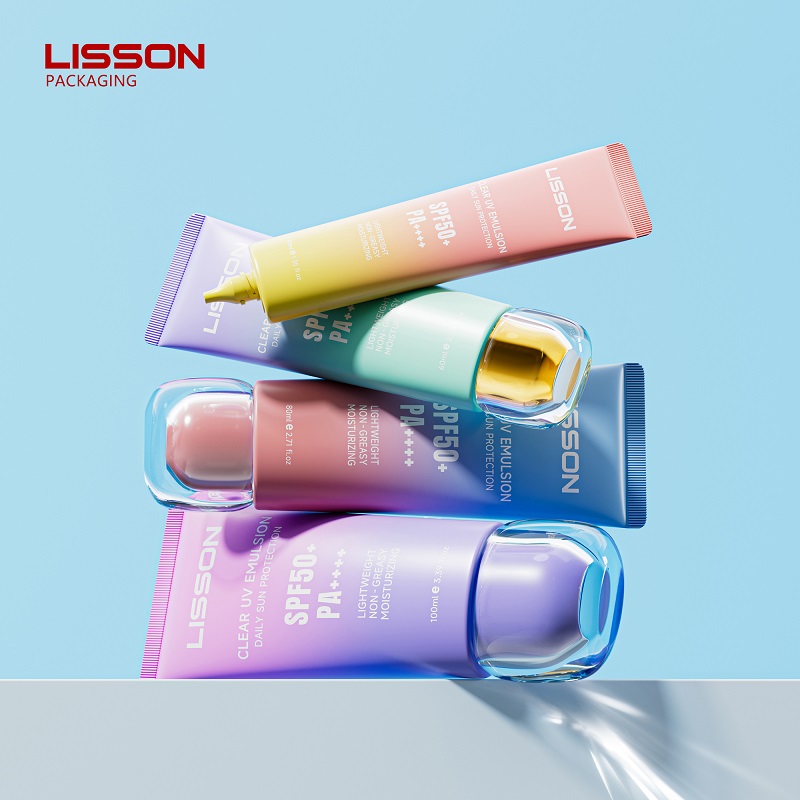
Two shapes, two different jobs. This short guide helps you self-select fast. Read the round list first, then the oval list, and note which points match your brief. Neither list is a verdict. The question of which is better for your product? simply becomes a match.
Order volume shapes the answer too. Large runs spread tooling costs across more units, so a custom oval mold hurts less at scale. Small runs feel that cost sharply, and a standard round body often wins on pure economics.
Choose Round If…
Pick the round profile when these conditions describe your program:
- You run cost-sensitive, high-volume production. Standard tooling already exists, and extrusion lines run this shape at higher speeds, so unit cost stays low.
- Your brand leans on classic cues. The familiar cylinder signals value and trust, and shoppers recognize it without effort.
- Your filling line needs broad compatibility. Round bodies fit most standard equipment without orientation checks or special setup, which keeps large runs predictable.
- You want full-wrap decoration. Artwork circles the entire body with no dead zone, and printers handle the curved surface with proven methods.
- Your team values repeatable handling. Warehouses and contract fillers already know how the format behaves, so nothing on the line surprises anyone.
- You sell across many markets. A neutral shape travels well between regions and retail formats.
Choose Oval If…
Pick the oval profile when these conditions describe your program:
- Shelf differentiation drives the brief. The flatter profile improves standout against typical cylindrical tubes, and the flat cross-section stands upright more reliably on shelf.
- Your formula is a lotion, gel, or cream. A wide opening spreads product across more skin at once, and the ergonomic body improves grip during use.
- You want controlled dispensing. A precision nozzle tip supports targeted application, and the oval cross-section stops the tube from rolling on a flat counter.
- Branding area matters. Wide front and back panels give logos room to breathe.
- Your brand image reads modern. A distinct silhouette tells shoppers the package is not an afterthought, and it pairs well with premium decoration.
- You ship long distances. The flat body nests in cartons and saves space.
Still unsure whether round or oval suits your line? Score each list against your priorities. Count the points that match, then weigh the strongest ones. A single decisive factor, such as a filling line that cannot handle orientation checks, can settle the question alone.
Test before you commit. Request samples of both tubes, fill them with your actual formula, and check the cap fit. Confirm material compatibility with your closure, then compare quotes side by side. This step protects your cosmetic packaging from leaks and a wrong hand feel. Choosing the right tube takes one honest trial, not a long debate. Keep this guide handy at your next design review, and let the lists work as your product line grows.
Real-World Examples from LISSON
Oval Tube Applications
LISSON's oval lineup shows where the shape earns its keep. Hand creams, body lotions, and facial cleansers all use oval tubes, because shelf standout and smooth dispensing matter for these products. The flat body gives your label a wide front panel, and the wide opening spreads lotion or gel across more skin at once. That combination keeps the package working hard on a crowded shelf.
Two applicator designs show how far the format can go. The D30 PE oval tube pairs an integrated zinc alloy metal scraper with a matte or glossy finish, and the oval body gives a comfortable grip. It suits blackhead removal creams, spot treatments, and targeted serums. The D50 oval PE tube with integrated V-shape gua sha applicator offers a 100–220ml capacity, zinc alloy or electroplated ABS/PC tips, an ergonomic massage design, and full customization. Skincare brands use it for products that need facial massage or gua sha application.
|
Product Name |
Key Feature |
Intended Application |
|---|---|---|
|
Lisson D30 PE Cosmetic Oval Tube with Blackhead Metal Scraper |
Integrated zinc alloy metal scraper; matte/glossy finish; oval shape for comfortable grip |
Blackhead removal creams, spot treatments, targeted serums |
|
V-Shape Gua Sha Massage Oval Squeeze Tube (D50) |
Integrated V-shaped gua sha applicator (zinc alloy or electroplated); twist-open closure; detachable design |
Skincare products requiring facial massage / gua sha application |
Round Tube Applications
The round profile serves a different brief at LISSON. High-volume cosmetic tubes and personal care products rely on this shape, because cost efficiency and classic appeal drive those programs. Standard tooling keeps unit cost low, and the familiar cylinder signals value and trust on shelf. Buyers who need volume and speed pick it first.
The round body also accepts full-wrap decoration, so your artwork circles the whole body. That flexibility supports reliable and appealing cosmetic tube packaging across many product lines. A stable formula dispenses evenly from a round body, and the shape fits most standard filling lines without orientation checks. For everyday personal care items, this proven format keeps production predictable and your budget in check.
No universal winner exists. The right shape follows from your product type, your budget, and your shelf strategy. Round tubes deliver cost efficiency and classic appeal. Oval squeeze tubes bring modern aesthetics and shelf standout. Weigh technical performance, application fit, compliance, and cost together, not in isolation. A low unit price means little if your filling line needs extra setup. A striking silhouette means little if the closure leaks. So the question of which is better for your product? becomes a question of fit. Consult LISSON for guidance and samples in both tubes, then test each shape with your actual formula. That trial settles your cosmetic oval tube packaging decision faster than any debate.
FAQ
Do oval squeeze tubes cost more than round tubes?
Often, yes. Oval squeeze tubes may carry higher tooling and setup costs, because the flattened profile needs its own molds and slower line settings. Round tubes use standard tooling and run at higher speeds. Order volume shifts the gap, since large runs spread tooling costs across more units.
Will oval tubes run on my existing filling line?
They can, but you should confirm first. The flattened body must align with the filler and sealer, so oval tubes may need an orientation check. Round tubes fit most standard filling lines without special setup. Ask your supplier about tooling and line speed, then run a trial before a large order.
Which shape works better for lotions and gels?
Oval squeeze tubes suit lotions, gels, and creams well. A wide opening spreads product across more skin at once, and the ergonomic body improves grip during use. Round tubes handle a broad range of cosmetic tubes and personal care items. Match the shape to your formula and how users apply it.
Does tube shape affect recyclability?
Shape alone does not decide recyclability. The material and closure combination does. A mono-material tube with a matching cap moves through sorting more easily than a mixed structure. Specify your material and closure together, then confirm the recycling pathway for that exact combination in your cosmetic oval tube packaging.
Can I get samples of both shapes before deciding?
Yes. Request samples of both tubes, fill them with your actual formula, and check the cap fit. Confirm material compatibility with your closure, then compare quotes side by side. This trial catches leaks and a wrong hand feel early, and it settles the choice faster than any debate.