



Best Skincare Tube Packaging Options for Sensitive Skin Products

We are a One-Stop Service Customized cosmetic packaging factory, and have more than 20 years rich experience in customization cosmetic tubes, squeeze tubes, ABL tubes, PBL Tubes, Airless Pump Tubes, Lip gloss Tubes, Skin care Tubes, PCR (Post-consumer recycled) Tube, etc.
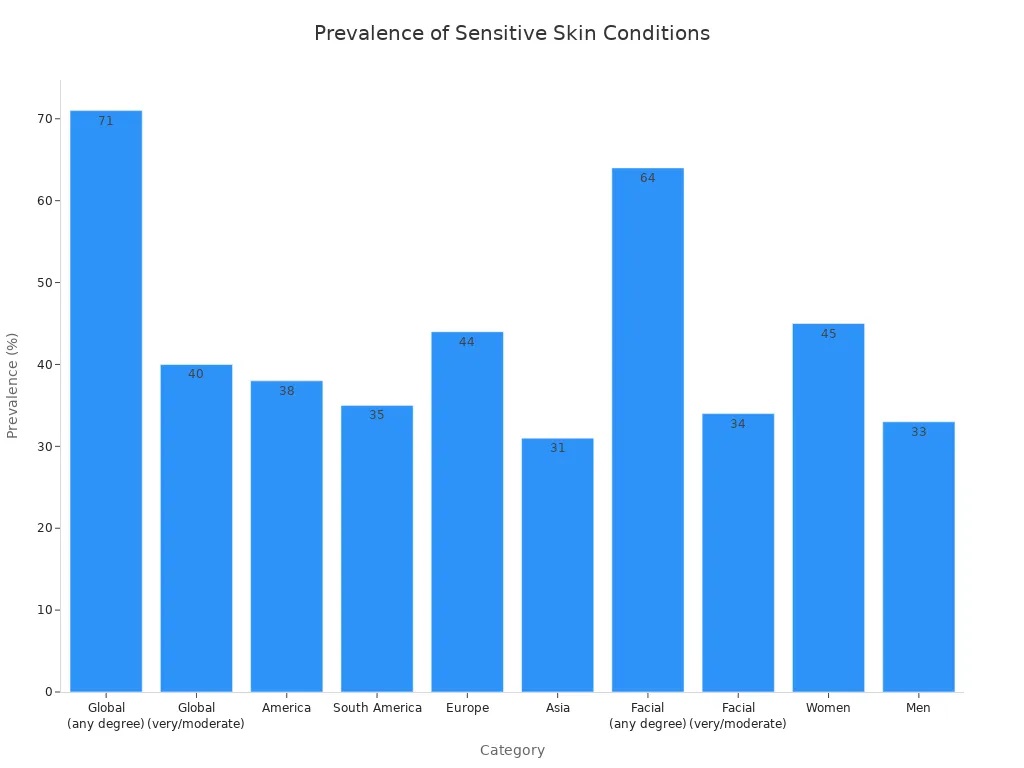
Your skin deserves packaging that protects it. Recent global data reveals how widespread sensitivity truly is:
|
Category |
Prevalence (%) |
|---|---|
|
Global (any degree) |
71 |
|
Facial (any degree) |
64 |
|
Women |
45 |
|
Europe |
44 |
For sensitive skin products, the best skincare packaging uses inert materials like polypropylene or polyethylene. These custom skincare tubes prevent chemical leaching. Squeeze cosmetic tube packaging from LDPE or aluminium offers reliable alternatives. Choosing the right tubes for your cosmetic packaging protects your formulation and your customer's comfort. Lisson understands this responsibility deeply.
Key Takeaways
- Choose packaging made from inert materials like polypropylene or polyethylene to prevent harmful chemicals from leaching into your product.
- Airless tubes block oxygen and contaminants, reducing the need for preservatives and extending shelf life.
- LDPE tubes offer flexibility and safety for lighter products, while aluminium tubes provide maximum protection against light and oxygen.
- Match your packaging to your product's consistency and preservation needs to ensure stability and user convenience.
- Opt for recyclable, eco-friendly packaging options to protect both sensitive skin and the environment.
Why Packaging Matters for Sensitive Skin Products
Your sensitive skin reacts to what touches it—including what touches your product before it reaches you. The container you choose plays a critical role in protecting your formulation and your skin's health. Many conventional packaging materials contain chemicals that can migrate into your skincare products over time.
The Risk of Chemical Leaching
Plastic packaging often contains additives that are not chemically bonded to the material itself. BPA and phthalates continuously leach out, especially when exposed to heat, UV light, acidic or fatty substances, and physical wear. Common phthalates in consumer products include DEHP, DBP, DEP, and DINP. These substances are known endocrine disruptors that interfere with your body's hormones.
Conventional plastic cosmetic packaging falls into two categories: PVC plastics containing phthalates, and polycarbonate plastics containing bisphenol-A (BPA). Both are known endocrine disruptors. The leaching risk is elevated in cosmetics because oils and solvents in the product compromise plastic integrity over time, allowing phthalates and BPA to migrate into the formula. Studies have identified about 80 chemicals of "high concern" linked to certain cancers and developmental disorders. Exposure can also contribute to obesity, diabetes, and heart disease, with effects accumulating over time.
Heat, time, acidity, and fat content in the product can hasten chemical leaching from packaging into the contents. The good news? Some health effects can be reversed by reducing exposure. BPA and phthalates can clear your body within days, with hormone levels changing in weeks. Choosing custom skincare tubes made from inert materials eliminates this risk entirely.
The Threat of Contamination and Oxidation
Oxygen exposure triggers oxidative reactions that compromise the stability of lipid-soluble antioxidants, leading to degradation and loss of effectiveness. This oxidative stress can deplete antioxidants, allowing free radicals to attack other components like oils, emulsifiers, or preservatives, potentially altering your product's odor or color. Vitamin C is highly unstable and degrades when exposed to oxygen, light, heat, and poor formulation conditions. Once oxidized, the percentage on the label becomes meaningless because the ingredient no longer delivers the benefits you expect.
Packaging design also affects microbial safety. Wide-neck jars and open bottles significantly increase the risk of microbial contamination because they expose a large surface area to moist, polluted environments. The consequences include skin irritation, allergic contact dermatitis, and infections, as well as product spoilage. Squeeze cosmetic tube packaging with airless design prevents repeated air exposure and limits contamination. Effective packaging limits oxygen exposure and extends antioxidant life. Airless dispensers and pump systems prevent repeated air exposure, while containers with reduced headspace create an oxygen-free environment. For sensitive skin products, this protection is essential. Lisson's skin care packaging uses only inert, skin-safe materials to ensure your formulation remains stable, pure, and effective from first use to last.
Key Features to Look For in Skin Care Packaging
When you select packaging for sensitive skin products, certain features matter more than others. You need containers that protect your formulation from chemical migration, oxygen exposure, and microbial growth. Your skincare packaging decisions affect every aspect of product performance. The right skin care packaging combines inert materials with smart design to keep your product pure from first use to last. Your packaging choice directly affects your product's safety and your customer's comfort.
Inert Materials and No BPA
Inert materials like polypropylene (PP), polyethylene (PE), and low-density polyethylene (LDPE) do not react with your product. These packaging materials contain no BPA or phthalates. They ensure no harmful substances migrate into your formula. This protection matters because BPA poses serious health risks:
- BPA acts as an endocrine disruptor that mimics or blocks estrogen in your body
- Scientific studies link BPA to reproductive disorders, neurodevelopmental delays, and immune system dysfunction
- BPA increases the risk of hormone-related cancers
- The European Food Safety Authority lowered the tolerable daily intake of BPA by 20,000-fold in 2023
"'BPA-free' is an incredibly misleading label. It usually means one bisphenol has been swapped for another, and there are more than 200 of them. Some may be just as harmful, or even worse." - Bernard Robaire, James McGill Professor, McGill University
BPS and BPF, common BPA substitutes, can also disrupt your endocrine system. BPS disrupts cellular functions at concentrations as low as one part per trillion. A 2014 study tested 455 plastic products and found nearly all leached estrogenic chemicals, regardless of "BPA-free" labels. Standard bottles and jars often contain these problematic compounds. BPA and its replacements seep into products more readily when containers heat up or when contents contain fatty or acidic substances. Your skincare products often contain oils, which increases this risk. Alcohol-based hand cleaners also increase BPA absorption through your skin, making skin contact a significant exposure route. Custom skincare tubes made from inert PP or PE eliminate this concern entirely. You avoid the misleading "BPA-free" trap by choosing materials that never contained bisphenols in the first place.
Airless Design and Minimal Additives
Airless pump tubes create a vacuum seal using a piston that rises as you dispense product. This mechanism prevents air from entering the container. It eliminates headspace and air backflow, which cause oxidation and contamination in standard jars or tubes. Standard pump tubes use a dip tube that draws air back into the container after each use, allowing oxygen and contaminants to degrade your product.
|
Aspect |
Airless Pump |
Standard Jar/Tube |
|---|---|---|
|
Microbial contamination risk |
Reduced by nearly 95% compared to open jars |
High risk due to continuous air backflow and finger contact |
|
Product evacuation rate |
Achieves 95-98% evacuation |
Leaves 10-20% of product trapped |
|
Oxidation prevention |
Vacuum seal blocks oxygen completely |
Air backflow causes oxidation of sensitive ingredients |
This design directly benefits your sensitive skin products. When oxygen cannot reach your formula, you need fewer preservatives to maintain stability. Fewer preservatives mean less potential for skin irritation. This skincare advantage matters for your most sensitive customers. The airless mechanism also protects against moisture intrusion, keeping your product's texture and efficacy consistent. Squeeze cosmetic tube packaging with airless technology offers this protection while remaining easy to use. This skin care packaging approach reduces your preservative load while maintaining product integrity.
The environmental impact matters too. Many airless tubes now use recyclable mono-material plastic, making them an eco-friendly packaging choice. You protect your customers' skin and the planet simultaneously. This eco-friendly approach aligns with growing consumer demand for sustainable options. When you choose airless tubes made from inert materials, you select packaging that works harder for your formulation and your customers' comfort.
Top Tube Packaging Options Compared
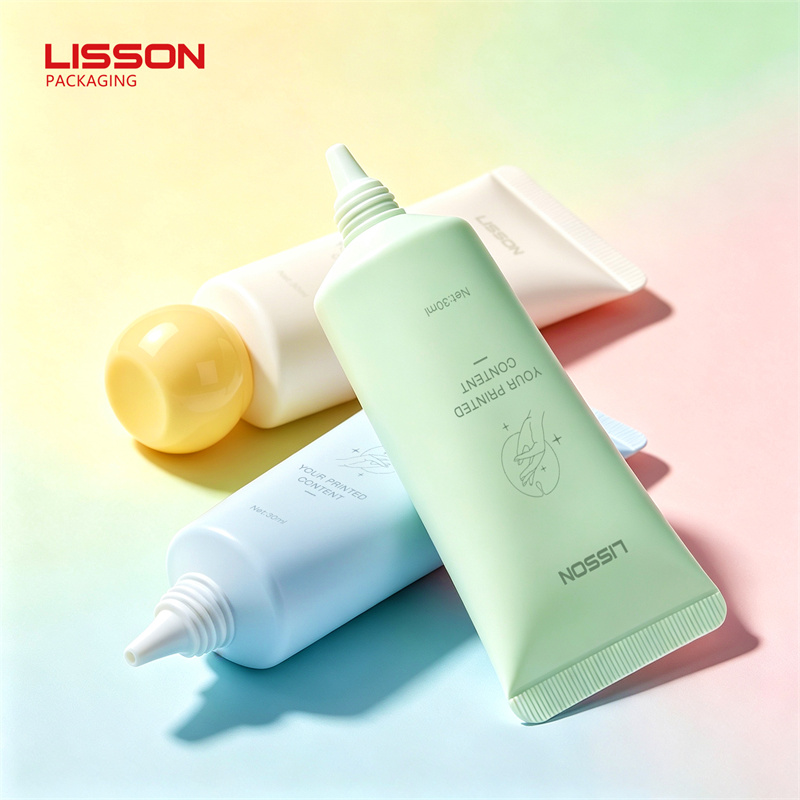
Three main tube types dominate the market for sensitive skin products. Each offers distinct advantages depending on your formulation's needs. Understanding these differences helps you make an informed choice for your brand.
Airless Tubes: The Gold Standard
Airless tubes represent the pinnacle of modern skin care packaging. These systems use a piston mechanism that rises as you dispense product, creating a vacuum seal. This design prevents air from entering the container, eliminating oxidation and contamination risks.
The benefits extend beyond protection. Mono-material recyclable designs use a single plastic type for all components—pump, tube body, and cap. This approach simplifies recycling and eliminates mixed-material waste, making it an eco-friendly choice for environmentally conscious brands.
Precise dosing matters for sensitive skin. Piston systems allow up to 95% product evacuation and controlled dispensing. This precision prevents overuse of active ingredients that might irritate delicate skin. The oxygen-free environment doubles or triples shelf life, allowing preservative-free and organic formulations to remain stable for 12-18 months without harsh preservatives.
The sealed environment preserves peptides, antioxidants, and natural extracts. Your product maintains its color, fragrance, and efficacy throughout its lifespan. This protection proves invaluable for luxury skincare lines that prioritize ingredient integrity.
The three-in-one airless configuration design makes the packaging easy to disassemble, refill, and recycle. Users can simply twist to access and replace the cartridge section, avoiding metal contamination during recycling. This achieves a perfect blend of environmental friendliness and functionality.
For brands seeking custom skincare tubes, airless options offer extensive design flexibility. You can choose various shapes, sizes, and dispensing mechanisms while maintaining superior protection.
LDPE and Aluminium Tubes: Reliable Alternatives
Low-density polyethylene (LDPE) tubes offer a balance of safety and flexibility. LDPE is the softest and most flexible option for cosmetic tubes. Creams, gels, and lotions dispense with barely a squeeze, reducing user effort significantly.
LDPE's flexibility is particularly valuable in applications such as intravenous lines, drainage tubes, and feeding tubes, where patient comfort and ease of insertion are paramount—demonstrating its proven flexibility in contexts requiring gentle, safe contact with sensitive areas.
This flexibility translates directly to user experience. Because LDPE bends easily, users don't have to wrestle with the tube. This gentle, low-friction application suits sensitive skin products perfectly. LDPE is non-toxic and does not leach harmful chemicals, making it safe for cosmetic packaging applied directly to the skin. It also meets regulatory standards for cosmetic packaging, ensuring consumer safety.
Aluminium tubes provide maximum protection for the most sensitive formulations. The barrier comparison reveals significant differences:
|
Barrier Property |
LDPE (Plastic) Tubes |
Aluminium (ABL) Tubes |
|---|---|---|
|
Light |
Minimal light barrier |
Maximum protection from light |
|
Oxygen |
Poor barrier in mono-layer; good with EVOH layers |
Absolute oxygen barrier |
|
Moisture |
Highly resistant; EVOH degrades in humidity |
Completely unaffected by moisture |
Aluminium is completely impermeable, forming a total barrier against oxygen, moisture, light, and microorganisms. Plastic tubes, even high-grade multilayer ones, remain semi-permeable. Gases and moisture slowly pass through plastic walls over time.
Aluminium tubes undergo non-reversible deformation when squeezed. This prevents air from being sucked back in. Plastic tubes regain shape and draw air back inside, compromising product quality. Aluminium tubes receive internal lacquer coatings to prevent chemical interaction with formulations. Plastic can absorb ingredients or leach chemicals into the product.
ABL (Aluminium Barrier Laminate) tubes combine plastic layers with a thin aluminium foil barrier. They provide excellent protection against oxygen, moisture, light, and external contamination. These tubes suit sensitive formulas like toothpaste, sunscreen, and pharmaceutical creams. They support high-quality printing and premium decoration while maintaining product stability.
The cost difference matters. Aluminium tubes cost 30-50% more than plastic and weigh more, increasing shipping expenses. However, for formulations requiring maximum protection, this investment proves worthwhile.
When comparing types of skincare packaging, consider your product's specific vulnerabilities. Squeeze cosmetic tube packaging from LDPE offers affordability and ease. Aluminium provides unmatched protection. Airless tubes combine modern design with superior preservation. Your choice of packaging materials directly impacts product efficacy and customer satisfaction. The right tube protects your formulation and builds trust with sensitive skin consumers. Consider recyclability alongside protection to meet sustainability goals. These packaging decisions shape your brand's reputation and your customers' experience.
How to Choose the Right Skincare Packaging
Your formulation's viscosity should guide your first packaging decision. Thick creams and balms perform well in tubes because squeezing controls dispensing and prevents oxidation. Lighter lotions and serums work better in bottles with pumps or droppers, which allow precise, hygienic application. Water-based toners suit mist sprayers or disc-top caps for even distribution. The general rule is simple: a package that works for one formula may fail with another. Essential oils, alcohol, acids, and high-viscosity products can affect plastics, seals, and pumps, so compatibility testing is essential.
|
Formulation Type |
Key Packaging Requirement |
|---|---|
|
Water-based (toners, serums) |
Excellent moisture barrier to prevent microbial growth; inner layer must not adsorb or react with active ingredients |
|
Oil-based (skincare oils) |
Inner layer with good chemical inertness (e.g., CPP or PE) to prevent softening or leaching of additives |
|
Highly active (retinol, Vitamin C) |
High-barrier structures with aluminum foil layer combined with light-blocking design |
|
Anhydrous/low-moisture (powders, pastes) |
High moisture protection and sufficient mechanical strength to prevent transport damage |
Matching Tube Type to Product Consistency
For thicker formulations, custom skincare tubes offer distinct advantages. Airless tubes suit rich creams because the piston mechanism evacuates up to 95% of the product and prevents air backflow. This design protects sensitive ingredients from oxidation while maintaining consistent texture. LDPE tubes work well for lighter gels and lotions, providing flexibility and easy dispensing with minimal effort. Aluminium tubes offer maximum protection for the most sensitive formulations, forming a complete barrier against light, oxygen, and moisture. Your choice of packaging materials directly affects how well your product survives from first use to last.
Balancing Preservation Needs with User Convenience
Products with fewer preservatives benefit most from airless or aluminium tubes to extend shelf life and maintain efficacy. Packaging choice substantially affects preservative requirements. An open jar entered with fingers introduces air, water, and skin flora on every use, demanding a robust preservation system. Airless pumps, sealed tubes, and single-use ampoules limit that ingress and permit lighter systems. For the same formula, a pump is a safer container than a pot.
Packaging is essential when preservative levels are kept to a minimum. Unit-dose formats, pumps, and airless dispensers can lower the risk of contamination. In order to preserve microbiological quality, CPSRs should describe how formulation and packaging cooperate.
Opaque packaging protects light-sensitive ingredients like retinol or Vitamin C from degradation. Transparent containers expose your product to UV light, reducing potency over time. Air-tight seals prevent oxidation and preserve effectiveness. Materials like glass or high-density polyethylene prevent contamination from bacteria, dust, or moisture—critical for preservative-free formulations designed for sensitive skin.
Squeeze cosmetic tube packaging balances protection with user convenience. Tubes provide controlled dispensing, portability, and ample decoration area. This design enhances consumer experience while maintaining product integrity. Your packaging decision shapes both safety and satisfaction. Choose materials that protect your formulation and consider recyclability for sustainability. The right tube builds trust with sensitive skin consumers and strengthens your brand reputation.
Choosing the best skincare packaging for your sensitive skin products means selecting inert packaging materials that block chemical leaching, light, and oxygen. Airless tubes deliver superior protection. LDPE and aluminium serve as reliable alternatives. Your choice should also prioritize sustainability through recyclability. Eco-friendly packaging options include mono-material design and fiber-based materials. These choices support environmental goals. Lisson's skin care packaging meets these rigorous standards. Our materials ensure both safety and efficacy. Luxury brands trust our design. We help you select the right option for your skincare products. From bottles to jars, we prioritize protection and recyclability. Recyclable options reduce waste while supporting your goals. Fiber-based options with FSC certification provide proof of your commitment. This approach protects both your customers and the planet.
FAQ
What makes airless tubes the best choice for sensitive skin products?
Airless tubes prevent air from entering the container. This stops oxidation and contamination. You need fewer preservatives, which reduces irritation risk. The vacuum seal also allows up to 95% product evacuation. This packaging design protects your skincare formulation completely. Airless packaging materials work harder for your product's purity.
Are LDPE tubes safe for sensitive skin?
Yes. LDPE is non-toxic and does not leach harmful chemicals. It's flexible and easy to squeeze, making application gentle. LDPE works well for lighter lotions and gels. For maximum protection against light and oxygen, consider aluminium tubes instead. This squeeze cosmetic tube packaging option offers reliable safety for your skincare routine.
How can I tell if my packaging contains BPA?
Look for recycling codes 3 (PVC) or 7 (polycarbonate). These often contain BPA or phthalates. Choose packaging made from PP or PE instead. These inert materials never contain bisphenols. Check labels for "BPA-free" but remember this claim can be misleading. Custom skincare tubes from trusted suppliers avoid this issue entirely.
Can airless tubes be recycled?
Many modern airless tubes use mono-material recyclable plastic. This means all components use the same plastic type. You can recycle them more easily than mixed-material tubes. This eco-friendly packaging approach protects your skin and the planet simultaneously. Sustainable skincare packaging reduces environmental impact while maintaining product safety.
What packaging works best for preservative-free formulations?
Airless tubes or aluminium tubes work best. They block oxygen and light completely. This extends shelf life without harsh preservatives. Your product stays stable for 12-18 months. This protection matters for sensitive skin that reacts to preservatives. Choose packaging that prioritizes ingredient integrity for your skincare products.