



How to Choose the Right Tube Opening for Different Cosmetic Formulas?

We are a One-Stop Service Customized cosmetic packaging factory, and have more than 20 years rich experience in customization cosmetic tubes, squeeze tubes, ABL tubes, PBL Tubes, Airless Pump Tubes, Lip gloss Tubes, Skin care Tubes, PCR (Post-consumer recycled) Tube, etc.
Choosing the right cosmetic tube is not only about the tube material, capacity, or appearance. The tube opening is equally important because it directly affects how the formula is dispensed, how much product comes out with each squeeze, and how easily consumers can apply the product.
A thick eye cream, for example, may need a more controlled dispensing opening than a lightweight lotion. A lip gloss may require a slant-tip applicator, while a serum may work better with a narrow nozzle or airless dispensing structure. The right choice depends on the formula viscosity, application area, dosage requirements, and expected user experience.
As a professional cosmetic tube manufacturer, LISSON Packaging provides different cosmetic tube structures, dispensing openings, caps, and applicators for skincare, makeup, lip care, body care, and other beauty products.
Why Does the Tube Opening Matter for Cosmetic Formulas?
The tube opening creates the connection between the formula inside the package and the consumer's application process. Although it is a relatively small part of a cosmetic tube, it can have a significant effect on dispensing performance and the overall user experience.
If the opening is too large, a large amount of product may come out with one squeeze. This can lead to product waste and make it difficult for consumers to control the recommended dosage. If the opening is too small, a thick formula may require excessive squeezing and become frustrating to use.
The opening can also affect how clean the package remains during repeated use. A suitable dispensing structure should help control the formula flow and work properly with the cap or applicator to reduce leakage and unnecessary product exposure.
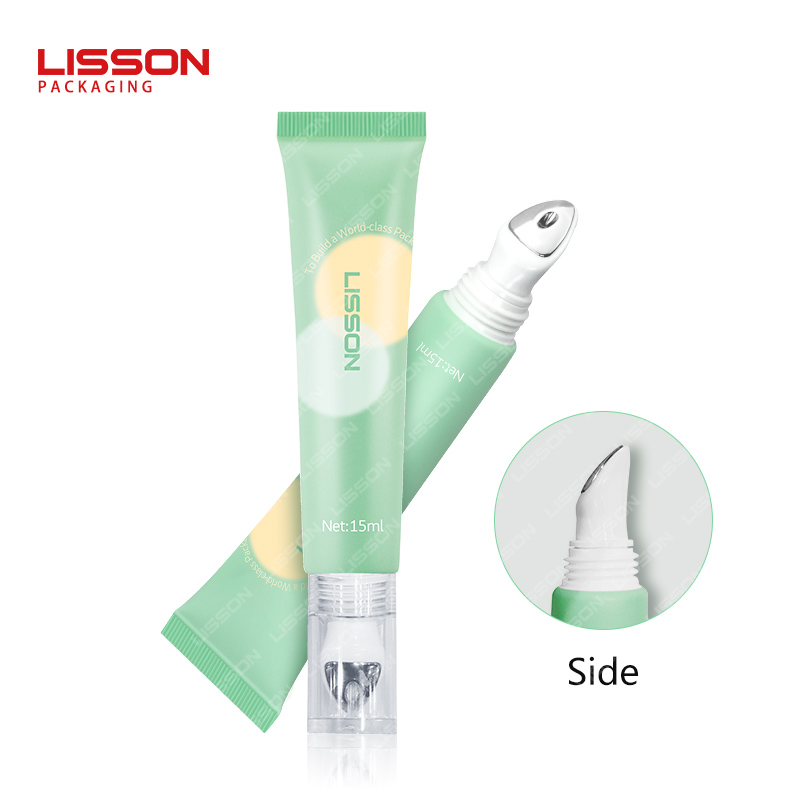
For targeted skincare products such as eye creams, the dispensing opening may also work together with a dedicated applicator. LISSON's 15ml Eye Cream Tube with Metal Applicator combines a cosmetic tube with a zinc alloy applicator and is available in capacities from 5ml to 25ml. This type of packaging is designed around controlled application rather than simply dispensing the formula onto the fingers.
Start with Formula Viscosity
Formula viscosity is one of the most important factors when selecting a cosmetic tube opening. In general, thin formulas flow more easily, while thick creams and balms require more squeezing force and a dispensing structure that can handle higher resistance to flow.
However, viscosity should not be the only consideration. Two products with similar viscosity can still require different tube openings because they may be applied in different ways.
For example, a thick facial cream may be dispensed onto the fingertips, while an eye cream may need a precision applicator for targeted application. Similarly, a lip gloss may require a slant-tip applicator because the formula needs to be distributed directly along the lip contour.
For this reason, brands should test the actual formula with the proposed tube opening before finalizing the packaging. The test should evaluate dispensing force, flow consistency, dosage, leakage, and the overall application experience.
How to Choose a Tube Opening for Thick Creams and Balms
Thick creams, balms, masks, lip butters, and similar formulas generally require a dispensing opening that allows the product to come out smoothly without requiring excessive squeezing.
A conventional squeeze tube can be a practical solution for facial creams, hand creams, body creams, and many other high-viscosity skincare products. Consumers can control the amount of product by adjusting the pressure applied to the flexible tube.
For formulas where barrier protection is also important, a laminated tube structure can be considered. LISSON offers ABL cosmetic tubes that can be customized for different cosmetic applications and formula requirements.
The opening should be large enough to allow the formula to pass through without excessive force, but not so large that too much product is released at once. The shoulder, nozzle, tube body, cap, and tail seal can also influence the final dispensing performance.
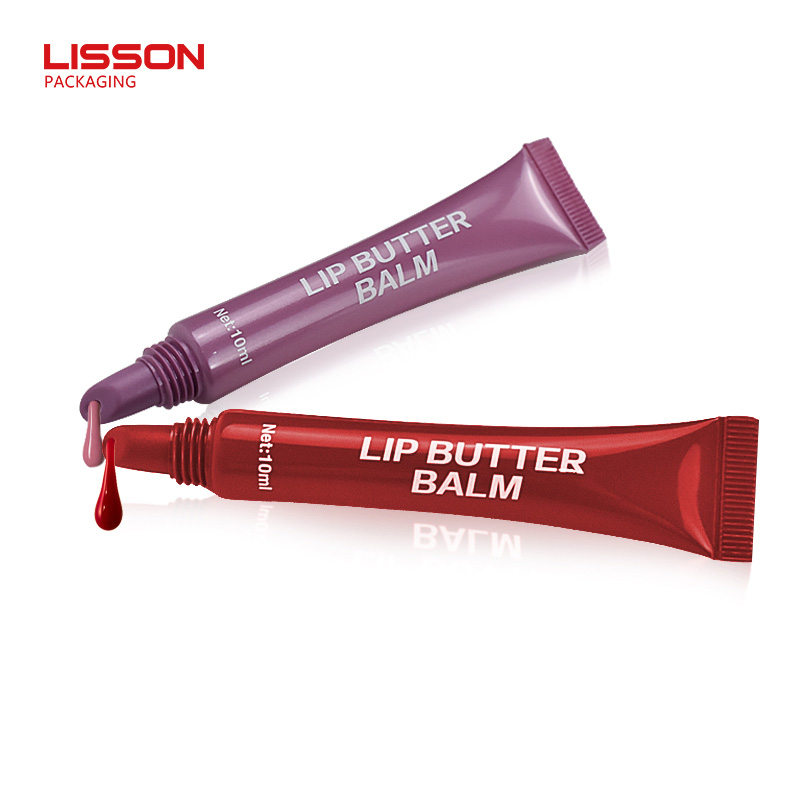
For example, squeeze tubes can be used for lip butter and balm products where controlled squeezing allows consumers to dispense a small amount directly onto the lips. The final opening should still be tested against the actual formula because different balms can have significantly different textures.
How to Choose an Opening for Lightweight Lotions and Gels
Lightweight lotions, gels, cleansing products, and some moisturizing formulas flow more easily than thick creams. For these products, a large opening may release more formula than the consumer needs.
Controlled dispensing is therefore often more important than simply creating a larger opening. A flip-top cap or screw cap combined with an appropriate orifice can provide a practical balance between flow rate, dosage control, and convenience.
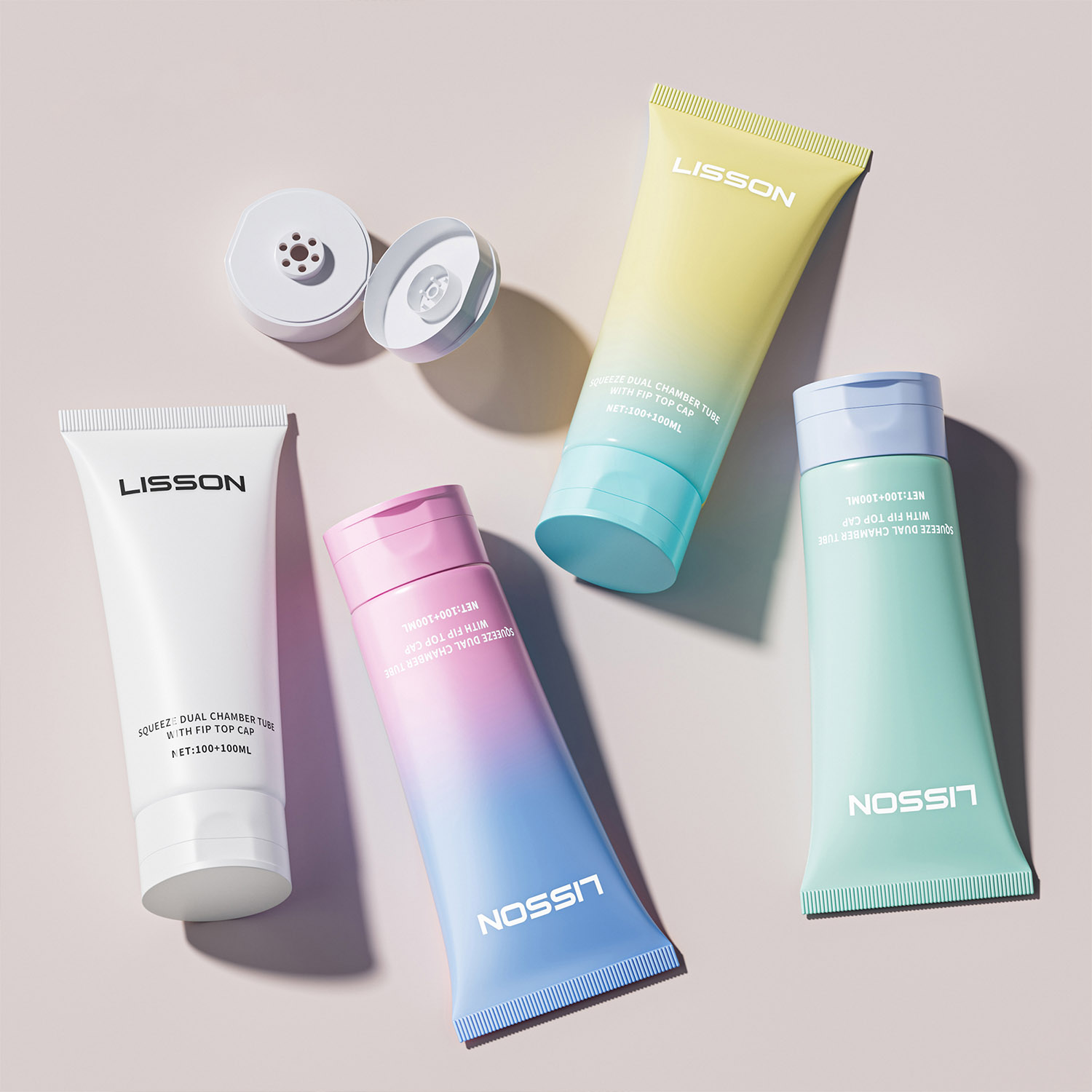
For products used frequently or in the shower, a flip-top cosmetic tube can also provide convenient one-handed operation. This structure can be suitable for facial cleansers, body care products, conditioners, and other personal care formulas.
When testing a lightweight formula, brands should check whether the product starts flowing immediately, whether it continues dripping after squeezing, and whether the cap keeps the opening clean between uses.
What Tube Opening Works Best for Serums?
Serums can have very different textures. Some are almost water-like, while others have a thicker gel or emulsion consistency because of their ingredients and formulation system.
For lightweight serum formulas, a narrow dispensing opening can help consumers control the amount applied. For thicker serum formulas, the opening may need to be adjusted so that the product can move through the dispensing channel without excessive pressure.
Formula sensitivity should also be considered. Some active skincare formulas may require packaging with stronger barrier or air-management properties depending on the ingredients and stability requirements.
For products where air exposure is an important consideration, brands can evaluate pump cap and airless-style tube solutions instead of relying only on a conventional squeeze opening.
The final choice should be based on the formula viscosity, ingredient compatibility, filling process, target dosage, and expected consumer usage. Packaging samples should be tested with the actual formula before mass production.
How to Choose a Tube Opening for Eye Cream
Eye creams require a different approach because the application area is relatively small and delicate. Consumers usually need only a small amount of product, so precise dispensing can be particularly important.
A narrow dispensing tip can help control the amount released from the tube. For premium eye care products, an applicator can also provide a more direct and convenient application experience.
LISSON's Eye Cream Tube with Metal Applicator is an example of a tube structure designed around targeted application. The tube is available with PE, PCR, Sugarcane, and ABL material options, depending on the packaging requirements.
A roller-ball or metal applicator can also contribute to the sensory experience. The applicator may provide a cooling or massaging sensation while helping consumers apply a controlled amount of product.
For eye creams, brands should therefore evaluate the tube opening together with the applicator shape, material, formula viscosity, and intended application method.
What Opening Is Suitable for Lip Gloss and Lip Care Products?
Lip products require precise dispensing because the formula is applied directly to the lips. Lip gloss, lip oil, lip treatment, lip balm, and lip butter can also have significantly different flow characteristics.
A slant-tip applicator can be useful for lip gloss and other products that require controlled application along the lip contour. The applicator can help distribute the formula while reducing the need for a separate tool.
LISSON's Plastic Tube Cosmetic Packaging for Lip Gloss with Applicator uses a PE squeeze tube with a precision slant-tip applicator. The series is available in 5ml to 15ml capacities and is designed for lip gloss, eye cream, serum, and targeted skincare applications.
For thicker lip gloss or lip butter, the dispensing channel should be tested to ensure that consumers do not need excessive squeezing. For more fluid lip oils, the opening and sealing system should be evaluated carefully to reduce the risk of dripping or leakage during storage and transportation.
Brands should therefore avoid assuming that every lip product needs exactly the same opening simply because the products belong to the same category.
When Should You Use a Nozzle or Precision Applicator?
A standard tube opening is suitable when consumers normally squeeze the formula onto their fingers before application. A precision nozzle or dedicated applicator becomes more useful when the formula needs to be applied directly to a specific area.
Typical applications include eye creams, acne treatments, lip treatments, concealers, targeted skincare products, and other formulas that require localized application.
A precision applicator can also reduce direct contact between the consumer's fingers and the formula. This can support a cleaner application process while creating a more specialized packaging experience.
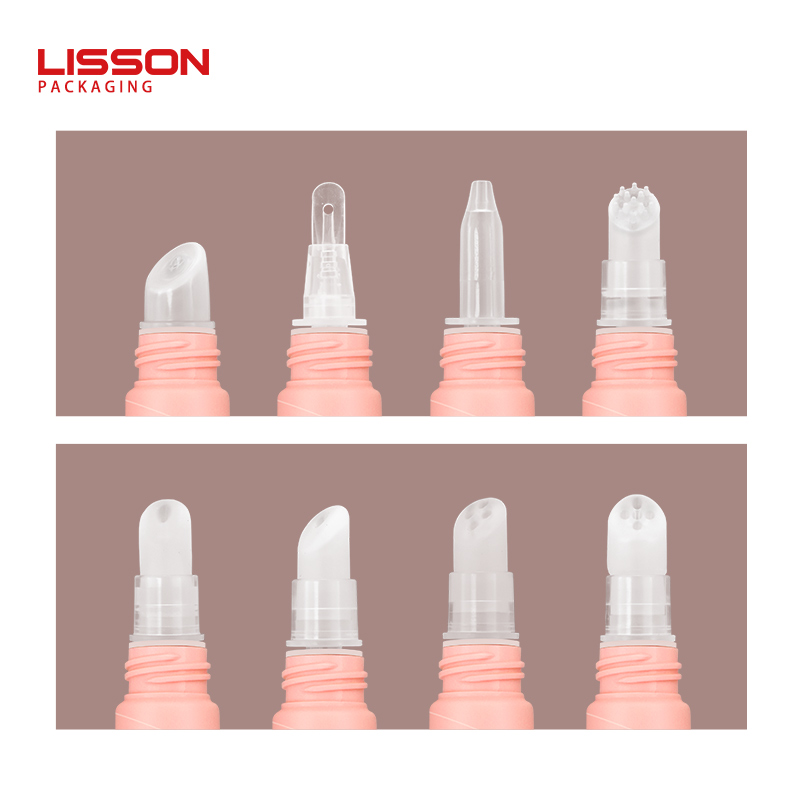
Brands can explore different cosmetic applicator tubes according to the formula, application area, and desired consumer experience. Applicator structures can include nozzle tips, silicone applicators, sponge heads, brushes, roller balls, and massage applicators.
Tube Opening vs. Applicator: What Is the Difference?
A tube opening and an applicator are related but not identical. The opening is the passage through which the formula is dispensed, while the applicator is the component that delivers or spreads the product onto the intended application area.
For a conventional squeeze tube, the opening may simply be a small dispensing orifice under the cap. In a specialized cosmetic tube, the opening can connect to a nozzle, brush, sponge, silicone head, roller ball, or massage component.
For example, a liquid or cream formula may benefit from a sponge applicator when the packaging needs to support controlled spreading. An eye cream may benefit from a metal roller when the applicator contributes to the sensory experience. A lip gloss may require a slant-tip applicator for more precise lip application.
LISSON also offers custom ABL cosmetic applicator tubes with different applicator options. This type of packaging allows brands to develop the dispensing opening and application method as part of one packaging solution.
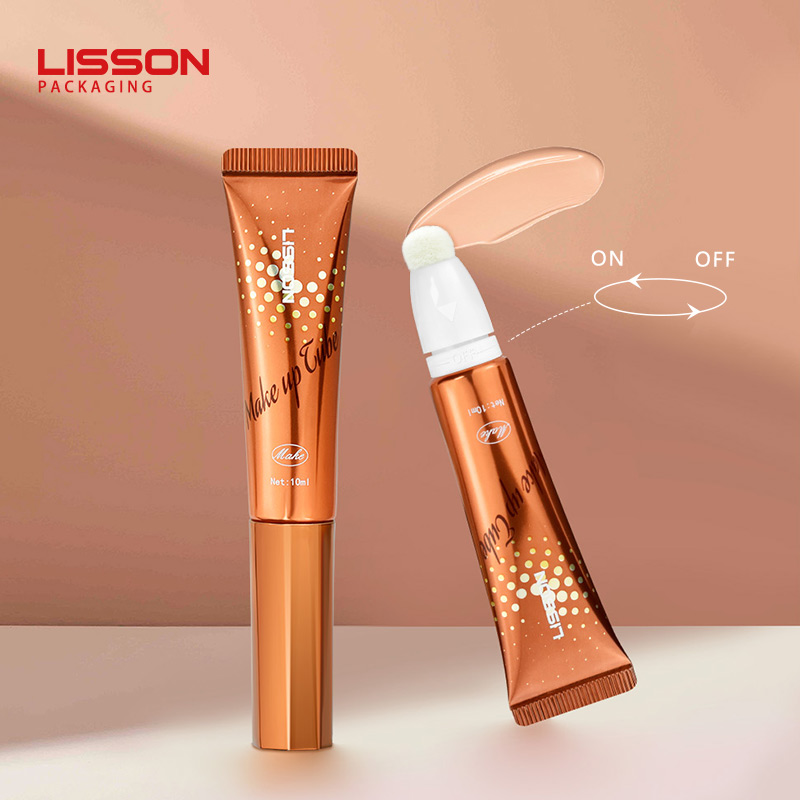
This approach can be especially useful for products where dispensing and application need to work together, such as eye care, lip care, makeup, massage skincare, and targeted treatments.
How Tube Opening Size Affects Product Waste
A larger opening does not necessarily mean better dispensing. If too much product comes out with one squeeze, consumers may use more than the recommended amount and the formula can be wasted.
A smaller opening can improve dosage control, but it can also create problems if the formula is too thick to flow smoothly. Consumers may then squeeze the tube repeatedly or apply excessive pressure.
The objective is to find a balance between flow rate and user control. During packaging development, brands should evaluate the amount dispensed per squeeze, the force required to dispense the formula, the consistency of the product stream, and the amount of residual product around the opening.
This type of testing is particularly important for premium skincare and treatment products where the recommended application amount may be relatively small.
How Material and Tube Structure Affect the Opening Design
The tube opening cannot be evaluated completely separately from the tube material and barrier structure. PE, PCR-PE, Sugarcane-based PE, ABL, PBL, and other structures can provide different combinations of flexibility, barrier performance, appearance, and dispensing characteristics.
Flexible PE tubes are commonly used for squeeze packaging because consumers can control dispensing through hand pressure. Laminated structures can provide additional barrier protection for formulas where protection from external conditions is important.
PBL tubes can also be considered when brands want a laminated tube structure with strong decoration flexibility and a continuous visual surface.
The final material structure should be selected according to formula compatibility, barrier requirements, filling conditions, appearance, and brand positioning. The tube opening, material, cap, and applicator should work together as one packaging system.
A Practical Tube Opening Selection Guide
The following framework can help cosmetic brands narrow down the right tube opening before requesting packaging samples:
Thick creams and balms: Use a controlled opening that allows the formula to flow without excessive squeezing. Consider laminated or barrier structures when formula protection is important.
Lightweight lotions and gels: Focus on controlled flow and leakage prevention. Flip-top or screw-cap tubes can be suitable depending on the application.
Serums: Consider a narrow dispensing opening or an airless dispensing structure depending on viscosity and formula sensitivity.
Eye creams: Use a small controlled opening or a dedicated applicator when precise application is required.
Lip gloss and lip treatments: Consider slant-tip, silicone, or other soft applicators for controlled application to the lips.
Foundation and concealer: Consider sponge, brush, or other applicator structures when even spreading and targeted application are important.
These are starting points rather than fixed rules. The same product category can include formulas with different viscosities, ingredients, and application requirements, so the final tube opening should always be verified with the actual formulation.
What Should Brands Test Before Finalizing the Tube Opening?
Before approving a cosmetic tube design for mass production, brands should test more than appearance. The opening needs to perform consistently with the actual formula and the intended filling and usage conditions.
Important testing points include dispensing force, dosage consistency, leakage, cap sealing, formula compatibility, opening and closing performance, transport durability, and consumer application experience.
For formulas containing active ingredients, oils, acids, alcohol, fragrances, or other ingredients that may interact with packaging materials, compatibility testing is particularly important. The tube structure should not be selected only according to appearance or cost.
LISSON provides customized cosmetic tube solutions covering tube material, capacity, cap, applicator, decoration, and different cosmetic applications. Brands can discuss the formula characteristics and intended application with the packaging manufacturer before selecting the final dispensing structure.
How LISSON Helps Brands Develop the Right Cosmetic Tube
Selecting the right tube opening is only one part of cosmetic packaging development. The final package needs to balance formula compatibility, dispensing performance, protection, appearance, manufacturing requirements, and consumer experience.
LISSON provides customized cosmetic tube solutions for skincare, makeup, lip care, body care, and other beauty applications. The product range includes squeeze tubes, laminated tubes, applicator tubes, pump cap tubes, dual chamber tubes, eco-friendly tubes, and specialized cosmetic packaging.
For brands that already have a formula, the development process can start with practical information such as formula viscosity, ingredients, target dosage, application area, required capacity, filling method, and desired user experience. These details can help determine a more suitable opening and dispensing structure.
If you are developing a new cosmetic product and are unsure whether you need a standard opening, precision nozzle, airless dispensing system, roller ball, silicone applicator, sponge, or another dispensing solution, testing the actual formula with several packaging options is the best way to confirm the final design.
Frequently Asked Questions About Cosmetic Tube Openings
What is the most important factor when choosing a cosmetic tube opening?
Formula viscosity is one of the most important factors, but it should be evaluated together with dosage, application area, formula sensitivity, and consumer usage.
Can one tube opening be used for different cosmetic formulas?
Sometimes, but it should not be assumed. Different formulas can have different flow characteristics even when they belong to the same product category. Testing is recommended before using one opening across multiple formulas.
Is a smaller tube opening always better for precise dispensing?
No. A smaller opening can improve control for some formulas, but if the formula is too thick, it may require excessive squeezing or become difficult to dispense. The opening should match the actual formula.
What type of tube is suitable for eye cream?
Eye cream can be packaged in conventional squeeze tubes, precision nozzle tubes, roller-ball tubes, or other applicator tubes depending on viscosity and the desired application experience.
What type of opening is suitable for lip gloss?
Lip gloss often benefits from a controlled opening combined with a slant-tip, silicone, or other suitable applicator. The final design should be tested with the actual gloss formula.
Should cosmetic tube openings be tested with the final formula?
Yes. Formula testing is important because viscosity, ingredients, temperature, and storage conditions can all affect dispensing performance.
Choosing the right tube opening is ultimately about creating a balance between formula flow, dosage control, product protection, and user experience. When the opening, tube material, cap, and applicator are designed as one system, cosmetic brands can achieve more reliable dispensing and a better overall packaging experience.