



How to Improve Cosmetic Tube Dispensing for Thick Formulas

We are a One-Stop Service Customized cosmetic packaging factory, and have more than 20 years rich experience in customization cosmetic tubes, squeeze tubes, ABL tubes, PBL Tubes, Airless Pump Tubes, Lip gloss Tubes, Skin care Tubes, PCR (Post-consumer recycled) Tube, etc.
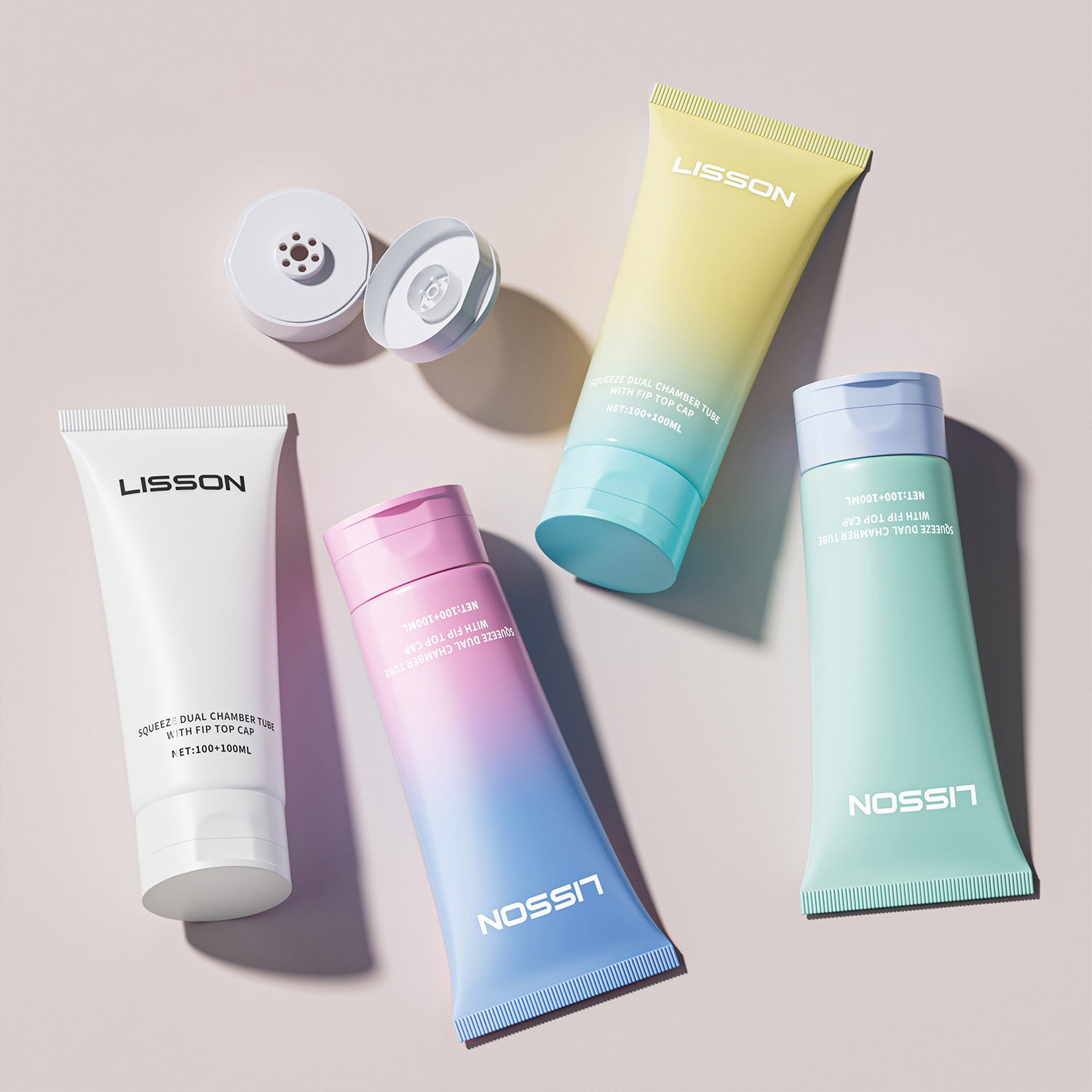
You get reliable dispensing from thick formulas through three levers: tube and orifice design, valve selection, and formula rheology. A Flat Oval Cosmetic Squeeze Tube with the wrong orifice will still choke on a dense paste.
You likely recognize the symptoms already: uneven flow, clogged tips, wasted product, and doses that drift from tube to tube. An Acupoint Massage Cosmetic Tube faces the same physics as any other format.
This article gives you practical, comparable guidance, not theory. LISSON Packaging's engineering work on press down cap lotion tube systems and thick-formula packaging shapes every recommendation here.
Key Takeaways
Match the orifice size to your formula's yield stress to prevent clogs and ensure smooth flow.
Choose a valve type that fits your need: nozzle for targeted application, check valve for stability, or piston valve for precise doses.
Select tube material based on stiffness and barrier properties to control flow and protect sensitive ingredients.
Test two or three tube and valve combinations on real components before committing to production.
Weigh cost against performance and regulatory requirements to find the best option for your market.
Why Thick Formulas Challenge Cosmetic Tube Dispensing
Flow Behavior of High-Viscosity Formulas
Viscosity measures a formula's resistance to flow. A thick gel moves under light pressure, while a dense paste barely budges. Yield stress is the minimum force needed to start movement. Below that threshold, the product stays put inside the cosmetic tube. Shear-thinning behavior means the formula flows more freely as you squeeze harder, then thickens again once the force stops. Product developers and packaging engineers both need to map these properties before choosing a tube.
These three properties interact with tube geometry. A Flat Oval Cosmetic Squeeze Tube offers a wide, flat body that responds well to hand pressure, yet the same formula can still stall at a narrow orifice. Consider a thick gel versus a paste. The gel recovers its structure quickly after shearing, so it may snap back and resist a clean dose. The paste moves slowly and steadily, which suits controlled application but demands more squeeze force. Each behavior fits a different use case, and neither is inherently better.
Common Failure Points: Clogs, Waste, and Dosing Drift
Clogs typically form at the orifice and inside the cap channel. A formula with high yield stress can bridge across a small opening and block flow until you apply extra force. Waste appears as product left behind in the tube shoulders or trapped in the valve of a press down cap lotion tube. Dosing drift shows up as inconsistent amounts from one squeeze to the next, often because the formula's shear history changes between uses. Each symptom points to a specific design lever you can adjust.
An Acupoint Massage Cosmetic Tube shows where clogging concentrates. The applicator tip narrows the flow path, so a paste with slow recovery may hesitate before dispensing. You can trace most failures to a mismatch between formula rheology and the flow path, not to a defective tube. Testing early reveals which failure mode dominates for your formula.
Cosmetic Tube and Valve Design for Consistent Flow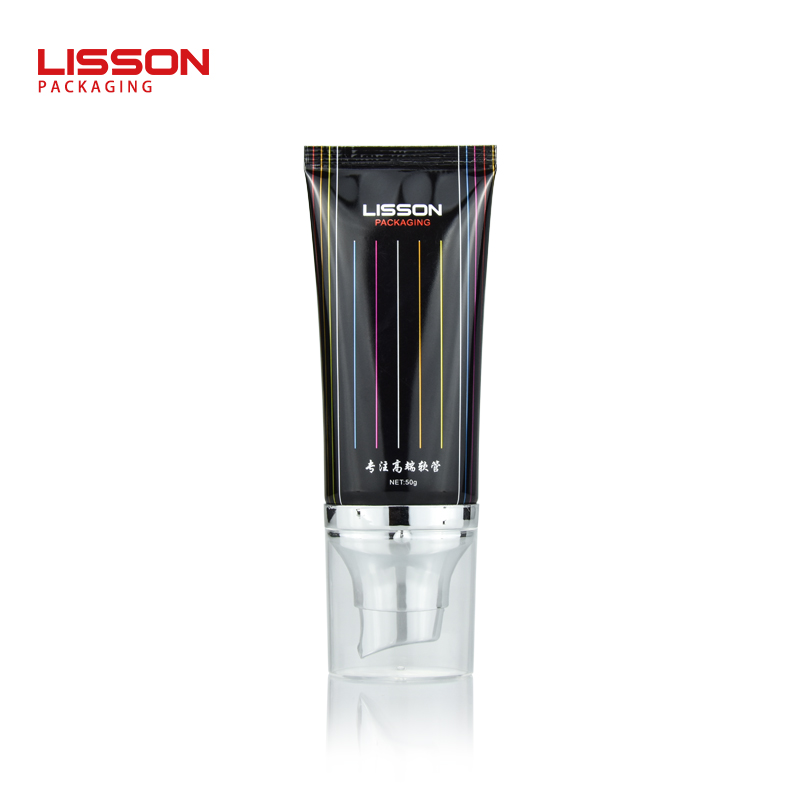
LISSON Packaging engineers tube and valve combinations around your formula, not the other way around. The company matches orifice geometry, tube body, cap style, and valve mechanism to the flow behavior you measured in the previous section. This approach turns a thick formula from a dispensing problem into a controlled, repeatable dose.
Orifice Size, Tube Geometry, and Cap Selection
Orifice diameter sets the first constraint on flow. A narrow orifice gives you precise dosing and a clean cut-off for low-viscosity gels. A wider orifice reduces squeeze force for dense pastes and lowers clog risk at the tip. Match the orifice to your formula's yield stress: high yield stress needs a larger opening to start flow reliably.
Tube geometry shapes how hand pressure translates into product movement. A flat oval cosmetic squeeze tube gives you a broad, flat panel that responds evenly to a full-hand squeeze. Round tubes concentrate force at the center and suit controlled, targeted application. The tube shoulder and internal channel matter just as much, because product often stalls where the body narrows into the neck.
Cap selection completes the flow path. A press down cap lotion tube integrates the cap and valve into one unit, which shortens the channel and reduces trapped product. Flip-top caps offer simple, low-cost closure for formulas that flow easily. Screw caps give you a secure seal and fit refill or travel formats. Each style fits a different application, and LISSON Packaging helps you weigh performance against unit cost and regulatory requirements for your market.
Valve Types: Nozzle, Check, and Piston Valves
Valves control dose accuracy and prevent backflow. A nozzle valve shapes the product stream and works well for targeted application on a Cosmetic Tube. A check valve stops air from entering the tube after each squeeze, which keeps the formula stable and reduces dosing drift. A piston valve delivers a measured dose with each actuation and suits high-viscosity pastes that need consistent output.
|
Valve type |
Best fit |
Trade-off |
|---|---|---|
|
Nozzle |
Targeted gels and creams |
Less protection against backflow |
|
Check |
Formulas prone to oxidation or contamination |
Slight added cost per unit |
|
Piston |
Dense pastes needing fixed doses |
More complex assembly |
Each valve type meets common cosmetic packaging standards, and the right choice depends on your formula and use case. LISSON Packaging tests valve and Cosmetic Tube combinations against your fill volume and squeeze force before production. This early testing catches dosing drift and clogging while changes remain inexpensive.
Material Selection and Formula Optimization
Tube Materials and Barrier Properties
Tube material changes how a thick formula moves. Laminate tubes hold their shape under hand pressure, so the body resists collapse and pushes product forward in a steady stream. PE tubes flex more freely, which suits formulas you want to dispense with light force. Barrier layers protect sensitive actives from oxygen and moisture, and they also keep the formula's viscosity stable over the shelf life. A formula that thickens or separates in storage will dispense differently in month six than in week one.
Material choice also interacts with the applicator. An acupoint massage cosmetic tube pairs a shaped tip with a body that must feed product into a narrow channel, so a stiffer laminate often gives you more control than a soft PE wall. Match wall stiffness to your yield stress, and match barrier layers to your formula's sensitivity. Neither option is better on its own; each fits a different product profile.
Adjusting Rheology and Running Dispensing Tests
Rheology modifiers let you tune flow without changing skin feel. A small addition of a thickener can raise yield stress so the formula stays on the applicator, while a shear-thinning modifier helps it flow during the squeeze and recover afterward. Test each adjustment against your sensory target, because flow behavior and texture travel together.
Run bench tests before you commit to a full production run. Measure squeeze force with a force gauge, record flow rate over a fixed squeeze duration, and weigh successive doses to check accuracy. Repeat each test across several tubes of the same Cosmetic Tube lot. These three checks reveal clogging, waste, and dosing drift while tooling changes remain inexpensive.
Cost, Compliance, and Partnering with LISSON Packaging
Balancing Performance, Regulatory Fit, and Unit Cost
Cost, compliance, and application fit pull in different directions. A simple flip-top cap costs less per unit than an integrated valve system. A check valve adds cost, yet it protects a sensitive formula and reduces waste over the shelf life. Weigh each option against your formula and your market, not against a single price list.
|
Option |
Cost profile |
Compliance fit |
Best application |
|---|---|---|---|
|
PE tube with flip-top cap |
Lowest unit cost |
Meets common cosmetic packaging standards |
Free-flowing gels and lotions |
|
Laminate tube with check valve |
Mid-range |
Supports barrier and stability claims |
Oxygen-sensitive actives |
|
Press down cap lotion tube |
Higher unit cost |
Suits precise-dose formats |
Thick formulas needing measured output |
A press down cap lotion tube costs more upfront, yet it shortens the flow path and cuts trapped product. That trade-off often pays back across a full production run. Confirm regulatory requirements for your target market before you finalize the bill of materials.
How LISSON Packaging Supports Custom Solutions
LISSON Packaging supports custom dispensing solutions from the first sample. The team reviews your rheology data, then proposes tube and valve combinations that match your fill volume and squeeze force. You get early bench testing on real components, so clogging and dosing drift surface before tooling commitments.
Custom work extends to applicator tips, cap mechanisms, and barrier layers. LISSON Packaging builds each option around your formula rather than forcing your formula into a stock part. Ask for a comparison of two or three configurations, then test each one against your dose accuracy target. Early iteration keeps changes inexpensive and protects your launch timeline.
Start with your rheology data, then match tube and valve design to it. A Flat Oval Cosmetic Squeeze Tube, a check valve, or a press down cap lotion tube each fits a different formula profile. Work through these steps in order:
- Measure squeeze force, flow rate, and dose accuracy on your current Cosmetic Tube.
- Shortlist two or three orifice and valve combinations that match your yield stress.
- Adjust rheology modifiers only after the hardware shortlist is set.
- Test each configuration on real components before tooling commitments.
Match every choice to your formula and use case. An Acupoint Massage Cosmetic Tube suits one application, not all. Consult LISSON Packaging for tailored recommendations, and test early so iteration stays inexpensive.
FAQ
Which tube design best handles a dense paste?
A Flat Oval Cosmetic Squeeze Tube gives you a broad panel that spreads hand pressure evenly, so dense pastes move in a steady stream. Pair it with a wider orifice to lower the force needed at the tip. Test the combination against your measured yield stress before you commit.
When should you choose a valve over a simple cap?
Choose a valve when dose accuracy or formula stability matters most. A check valve blocks air from entering after each squeeze, which limits dosing drift. A simple cap fits free-flowing gels that need no backflow protection. Match the mechanism to your formula, not to habit.
How do you stop an applicator tip from clogging?
Start with orifice size. A tip that narrows the flow path, such as on an Acupoint Massage Cosmetic Tube, needs a formula with low yield stress or a larger opening. Run squeeze-force and flow-rate checks on real components before production. Early testing catches bridging while changes stay inexpensive.
Does a press down cap lotion tube justify its higher unit cost?
It often does for thick formulas that need measured output. The integrated cap and valve shorten the flow path and reduce trapped product. Weigh that payback against your fill volume and dose target. Confirm regulatory requirements for your market before finalizing the bill of materials.
How many configurations should you test before tooling?
Shortlist two or three orifice and valve combinations that match your rheology data. Test each one on real components for squeeze force, flow rate, and dose accuracy. This narrow set reveals clogging and dosing drift without stretching your timeline or budget.