



How to Select the Best Cosmetic Tube Supplier for Your Brand

We are a One-Stop Service Customized cosmetic packaging factory, and have more than 20 years rich experience in customization cosmetic tubes, squeeze tubes, ABL tubes, PBL Tubes, Airless Pump Tubes, Lip gloss Tubes, Skin care Tubes, PCR (Post-consumer recycled) Tube, etc.
You need to start by clarifying your product specifications and brand goals. Consider private label requirements, design features, and the functionality you expect from a lotion tube. The expertise and production capacity of a manufacturer can shape the success of your packaging. When you evaluate cosmetic tube suppliers, focus on criteria like quality, customization, compliance, sustainability, and reliability.
Industry surveys show that leading brands prioritize these factors:
|
Criteria |
Description |
|---|---|
|
Certifications & Regulatory Compliance |
Meeting GMP, ISO 9001, and local regulations builds trust and ensures safety. |
|
Quality Assurance, Testing & Controls |
Consistent testing from raw materials to finished products maintains high standards. |
|
Scalability, Flexibility & Minimum Orders |
Flexible production and scalable solutions support brand growth. |
|
Packaging & Fill / Finish Capabilities |
Advanced packaging prevents failures and boosts visual appeal. |
|
Innovation, R&D & Custom Formulation |
Innovative suppliers help brands stand out in the market. |
|
Sustainability, Ethical Practices & Traceability |
Ethical sourcing and sustainability match consumer and regulatory demands. |
This guide gives you practical steps to select the right supplier for your cosmetic tube needs.
Key Takeaways
Define your product specifications and brand goals before selecting a supplier. This clarity helps ensure the right fit for your cosmetic tube needs.
Evaluate suppliers based on quality, compliance, and sustainability. These factors are crucial for maintaining product integrity and meeting consumer expectations.
Request samples to test material quality and compatibility with your product. This step prevents costly mistakes and ensures reliable packaging.
Prioritize suppliers with strong customer support and communication. Good relationships lead to smoother operations and better problem-solving.
Focus on sustainability practices in packaging. Eco-friendly options attract consumers and align with market trends.
Material Quality and Cosmetic Tube Material
You must evaluate material quality before choosing cosmetic tube suppliers. The right cosmetic tube material protects your lotion tube formula and maintains packaging quality. Manufacturers offer several options:
Plastic tubes (PE, PP, PCR) deliver lightweight and flexible packaging choices. These tubes have moderate barrier properties. Oil-rich formulas may interact with plastics, causing swelling or softening.
Laminated tubes (PBL, ABL) provide enhanced barrier protection and durability. These tubes suit sensitive formulas but present recycling challenges and higher cost.
Aluminum tubes offer excellent oxygen and light barriers. They resist chemical reactions and preserve product integrity. Aluminum tubes cost more and lack flexibility.
Sustainable options like Bio-PE and paper tubes reduce environmental footprint. These tubes may have limitations in barrier performance or cost.
Compatibility testing ensures your lotion tube performs reliably over time. Formulas with oils, solvents, acids, or essential oils can interact with packaging. You must request compatibility tests from your supplier to avoid failures.
Tip: Always ask your lotion tube manufacturer for detailed material specifications and compatibility reports. This step prevents costly recalls and ensures stable supply assurance.
Customization and Design Options
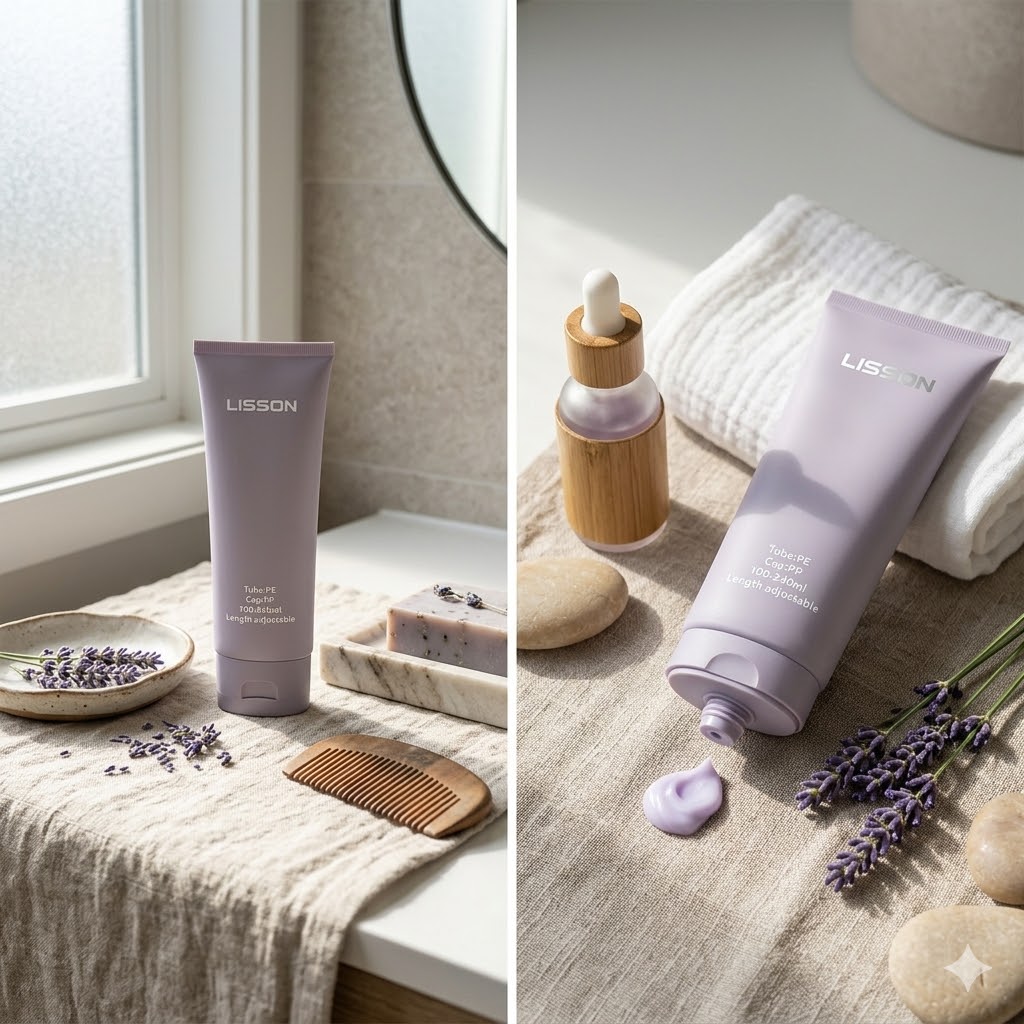
Customization shapes your brand identity and influences consumer decisions. Cosmetic tube suppliers offer custom design options that help your product stand out. You can select tube shapes, sizes, colors, finishes, and printing methods. Customization allows you to match packaging choices to your brand image.
Packaging serves as a consumer's first impression. Attractive lotion tube design can stimulate impulsive buying and boost brand recognition.
Consumers prefer portable, functional, and informative packaging. Customization enhances market value and supports product differentiation.
Custom design options include unique closures, applicators, and decorative elements. These features improve usability and appeal.
You must collaborate with your manufacturer to develop packaging that aligns with your brand vision. Customization also supports private label requirements and helps you meet specific market needs.
Compliance and Certifications
Compliance protects your brand from legal risks and ensures product safety. Cosmetic tube suppliers must meet strict industry standards and certifications. You should verify that your supplier provides documentation for all packaging materials.
|
Certification |
Description |
|---|---|
|
ISO 9001:2015 |
Quality Management System |
|
ISO 22716 |
Cosmetics GMP |
|
ISO 14001 |
Environmental Management |
|
BSCI |
Business Social Compliance |
You must request the following documents from your manufacturer:
CPSR: Cosmetic Product Safety Report signed by a qualified assessor.
Raw Material Specifications: TDS, SDS, and COA.
Stability and Microbiological Testing: Reports confirming product safety.
MSDS/SDS: Safety information for chemical handling and transport.
COA: Certification of product quality and specifications.
TDS: Technical performance details and application guidance.
- Regulatory compliance failures can lead to costly recalls and legal penalties. Non-compliant products may be removed from shelves, damaging retailer trust and brand reputation. Proper documentation prevents import alerts and sales suspensions.
Note: Brands must verify that manufacturers meet ISO 22716 standards and can provide relevant documentation. Rigorous supplier audits ensure quality control and ethical practices.
Sustainability Practices
Sustainable packaging trends drive consumer preferences and regulatory requirements. Leading cosmetic tube suppliers implement effective sustainability practices:
Optimizing production processes for energy efficiency reduces energy consumption and carbon footprints.
Using biodegradable materials enhances sustainability and supports eco-friendly branding.
Improving recyclability through collaboration among manufacturers, designers, and recycling facilities increases environmental responsibility.
Educational campaigns promote proper recycling methods and encourage consumer participation.
You must select packaging that minimizes environmental footprint and supports recyclability. Sustainable options like Bio-PE and paper tubes align with consumer values and regulatory demands. Manufacturers who prioritize sustainability help your brand meet market expectations.
Tip: Ask your supplier about their sustainable packaging trends and environmental certifications. This step ensures your lotion tube supports your brand’s commitment to sustainability.
Supplier Reliability
Supplier reliability guarantees stable supply assurance and consistent packaging quality. You must evaluate several factors before entering long-term agreements:
- Product quality: All components must meet industry safety standards and perform reliably.
- Material options: Flexible choices allow you to match packaging with product positioning and customer expectations.
- Inventory and lead times: Reliable supply prevents production delays and supports quick responses to market demands.
- Customer support: Responsive communication and problem-solving ensure smooth operations.
- Expertise in perfumes and cosmetics packaging: Understanding unique requirements of beauty products improves compatibility and performance.
- Sustainability options: Eco-friendly packaging solutions meet consumer preferences.
A survey indicated that around 50% of businesses struggle to find reliable suppliers. You must conduct rigorous supplier audits and investigate compliance status with state and federal agencies. Ensuring compliance with Good Manufacturing Practices (GMPs) is crucial for product quality and safety.
Tip: Reliable cosmetic tube suppliers provide documentation, maintain consistent production, and offer strong customer support. These qualities protect your brand from supply disruptions and quality issues.
You must prioritize supplier reliability, sustainability, customization, and compliance when selecting a lotion tube manufacturer. These criteria ensure your empty lotion tube meets product requirements and supports your brand’s growth.
Research and Shortlisting
You must start your evaluation by researching and shortlisting cosmetic tube suppliers. Begin by identifying manufacturers with proven expertise in lotion tube manufacturing and packaging. Use industry directories, trade associations, and online platforms to find specialized suppliers. Impacked Packaging offers a global catalog with over 10,000 components, including plastic and aluminum tubes for cosmetic applications. You can also explore reputable suppliers through platforms such as Beautetrade.
You should follow a systematic approach to shortlisting:
-
Assess manufacturing capabilities to ensure suppliers can produce your desired lotion tube design.
-
Review quality standards and certifications for consistent packaging quality.
-
Confirm regulatory compliance in your target markets.
-
Investigate reputation and experience through reviews and testimonials.
-
Evaluate communication and collaboration for responsive updates.
You can also attend trade shows and connect with industry peers for recommendations. This process helps you build a list of reliable suppliers who match your product requirements and brand values.
Requesting Samples
Sampling is a critical step in supplier evaluation. You must request samples of empty lotion tube options to verify quality and performance. Fast sampling allows you to test multiple designs and materials before committing to mass production. When you receive samples, conduct thorough tests to ensure the packaging meets your standards.
|
Test Type |
Description |
|---|---|
|
Appearance Test |
Apply pressure to check for leaks or deformation. |
|
Drop Test |
Drop the tube from a height to ensure no cracks or leaks occur. |
|
Cold and Heat Resistance |
Test tubes at extreme temperatures for structural changes. |
|
Yellowing Test |
Expose tubes to UV light to check for discoloration. |
|
Adhesion Requirements |
Use tape tests to ensure printed materials do not peel off. |
|
Sealing Test |
Check for leaks after filling and capping the tube under pressure. |
You must define clear internal requirements before sampling. Evaluate samples for compatibility with your lotion tube formula, durability, and visual appeal. Sample evaluations help you verify supplier capabilities, mitigate risks, and safeguard your brand reputation. This process transforms supplier selection into a strategic partnership that supports growth and scalability.
Tip: Always request fast sampling for new lotion tube designs. Testing samples ensures you avoid costly mistakes and maintain supply chain control.
Assessing Production Capacity
You must assess the production capacity of each supplier. Reliable cosmetic tube suppliers demonstrate flexibility in meeting varying order quantities and timelines. Many offer lower minimum order quantities for test batches, allowing you to test market response before larger commitments. Suppliers support phased production approaches, starting with small runs and scaling up as demand grows.
You should discuss your expected capacity, quantity, and budget with each supplier. Communicate your product launch timelines early so manufacturers can plan production schedules. This flexibility is especially valuable when launching multiple SKUs or adjusting to market changes. Confirm that suppliers can handle mass production without compromising quality or causing delays.
Note: Production capacity and flexibility are essential for maintaining supply assurance and meeting your brand’s growth targets.
Reviewing Customer Service
Customer service plays a vital role in supplier evaluation. You must look for suppliers who provide personalized support and guidance throughout the process. Excellent customer service includes efficient communication, problem-solving, and proactive updates. Key performance indicators for production include line efficiency and lead time.
You should evaluate how suppliers respond to inquiries, handle issues, and support your packaging needs. Strong customer service ensures smooth operations and minimizes disruptions. Reliable suppliers help you navigate challenges and maintain consistent quality in your lotion tube packaging.
Tip: Prioritize suppliers who offer responsive customer support and demonstrate expertise in cosmetic packaging. This approach protects your brand from supply disruptions and quality issues.
You must follow these steps to evaluate cosmetic tube suppliers effectively. Research, shortlisting, sampling, production capacity assessment, and customer service review help you select the right partner for your lotion tube packaging needs.
Aligning Supplier with Brand Needs
You need to match supplier offerings to your unique product requirements. Start by defining the specifications for your lotion tube, including material, size, and compatibility with your formula. Manufacturers use quality control measures to ensure alignment with your needs. Review the following practices:
|
Quality Control Measure |
Description |
|---|---|
|
Approved Vendor Lists (AVL) |
Suppliers maintain a vetted list of manufacturers who have been audited and approved. |
|
Certificate of Analysis (CoA) verification |
Every incoming material must come with a CoA, which is cross-verified with in-house testing. |
|
Ingredient compatibility and stability checks |
Testing for ingredient compatibility to prevent degradation when combined. |
|
Traceability from source |
Ability to trace every ingredient back to its supplier and batch for accountability. |
You must watch for mismatches, such as ingredient substitutions. For example, a supplier may use a different source for Cetyl Alcohol, which can change the texture of your lotion tube. Always verify prototypes and request stability checks to maintain product quality.
Brand Values and Image
Your packaging must reflect your brand values and reinforce your image. Cosmetic tube suppliers support cruelty-free, vegan, and sustainable positioning through material selection and eco-certifications. Over 60% of consumers prefer recyclable or biodegradable packaging, so you should prioritize these options. Tubes dominate the vegan cosmetics segment, accounting for 36% of the market share due to their versatility and cost efficiency.
Sustainable packaging reduces environmental impact and enhances your reputation.
High-quality materials and unique design features increase perceived value.
Consistent packaging design across product lines strengthens brand recall and loyalty.
Eco-friendly packaging demonstrates your commitment to sustainability and recyclability.
Effective packaging design creates an emotional connection with consumers. It helps your lotion tube stand out, drives engagement, and builds a strong market presence.
Partnership Potential
You must evaluate the long-term partnership potential with your cosmetic tube supplier. Consider manufacturing capabilities, quality certifications, customization support, and supplier reliability. Review the following factors:
|
Factor Category |
Key Considerations |
|---|---|
|
Manufacturing Capabilities |
Advanced technology, consistent quality, scalable production, variety of materials |
|
Quality Certifications |
ISO 9001, FDA registration, cGMP compliance, EU cosmetic regulations, quality control documentation |
|
Customization & Design Support |
Prototyping, color matching, closure options, packaging engineers for design optimization |
|
Supplier Reliability & Service |
Production capacity, lead times, buffer capacity, contingency plans, proactive communication |
|
Geographic & Logistics |
Impact of supplier location on shipping costs, delivery times, supply chain flexibility |
|
Customer Service & Communication |
Responsiveness, dedicated account managers, regular updates on orders and inventory |
|
Financial Considerations |
Total cost analysis, tooling costs, payment terms, financial stability, credit checks |
|
Strategic Partnership Potential |
Supplier understanding of business goals, collaborative innovation, preferential treatment |
|
Sustainability |
Use of recycled content, lightweight designs, recyclability programs |
Strong partnerships rely on clear goals, robust quality control, transparent communication, and ethical sourcing. You benefit from consistent supply, priority treatment, and joint innovation. Focus on building relationships that support your brand’s growth and market success.
Final Supplier Selection
You need to review your findings before making a decision. Use a systematic approach to compare cosmetic tube suppliers. Scorecards help you rate each manufacturer based on criteria such as quality, cost, production capacity, and recyclability. Surveys and questionnaires provide structured data on supplier practices. Site visits allow you to observe operations and verify compliance. Product testing ensures that empty lotion tube samples meet your standards for lotion tube design and packaging. Combine these methods for a comprehensive evaluation.
|
Method |
Description |
|---|---|
|
Scorecards |
Rate manufacturers using numeric scores for each criterion. |
|
Surveys |
Collect detailed information about supplier capabilities and production processes. |
|
Site Visits |
Observe operations and inspect facilities for compliance and quality. |
|
Product Testing |
Test empty lotion tube samples for durability, recyclability, and compatibility with lotion tube formulas. |
|
Questionnaires |
Gather standardized data for comparison across manufacturers. |
Supplier Selection Checklist
A supplier selection checklist streamlines your decision-making. Review product quality, cost, communication efficiency, and contract terms. Consult with mentors and industry peers for insights. Gather feedback from business advisors to strengthen your choice. After final inspection and analysis, trust your instincts. The right manufacturer often feels like a natural fit, especially when you plan for mass production and ongoing partnership.
|
Criteria |
Description |
|---|---|
|
Product Quality |
Evaluate the quality of empty lotion tube and packaging. |
|
Cost |
Assess pricing structure and cost-effectiveness for mass production phase. |
|
Communication Efficiency |
Check responsiveness and clarity from the manufacturer. |
|
Contract Terms |
Ensure terms align with your brand’s needs and production goals. |
Consult with mentors and industry peers.
Gather feedback from business advisors.
Trust your instincts after final inspection.
Ongoing Management
You must manage your supplier relationship to maintain performance and quality. Set clear performance metrics and KPIs for production and inspection. Use centralized platforms to track supplier performance. Conduct regular reviews to assess capabilities and recyclability. Maintain open communication with your manufacturer to address issues quickly. Incorporate supplier feedback to improve processes. Segment suppliers based on performance for targeted management. Focus on risk management to prevent disruptions. Use data-driven evaluations for objectivity. Reward top-performing manufacturers to encourage excellence. Develop action plans for underperforming suppliers. Continuously review and adjust strategies to adapt to changing needs.
Set clear KPIs for production and inspection.
Monitor performance against metrics.
Foster continuous improvement through feedback and collaboration.
Tip: Ongoing management ensures your lotion tube supplier delivers consistent quality, supports recyclability, and meets your mass production goals.
Selecting the right cosmetic tube supplier shapes your brand’s success. Focus on these key steps:
Monitor market trends and consumer preferences.
Review cost structures and pricing.
Request and test samples for quality.
Assess certifications and quality control.
Evaluate supplier experience and flexibility.
Prioritize responsive communication.
Explore customization options.
Verify sustainability practices.
Strong communication prevents costly mistakes. Sustainable packaging attracts consumers who value eco-friendly brands. Use a checklist and sample testing to make confident decisions. Start your supplier evaluation today to secure reliable, high-quality packaging for your brand.
FAQ
What is the minimum order quantity for cosmetic tubes?
You usually find minimum order quantities (MOQs) ranging from 1,000 to 10,000 units. The exact number depends on the supplier, tube material, and customization level.
How long does it take to receive custom cosmetic tubes?
Production and shipping times vary. Most suppliers deliver samples within 7–14 days. Full production orders often require 4–8 weeks. Always confirm timelines before placing your order.
Can I request eco-friendly or recyclable cosmetic tubes?
Yes, many suppliers offer eco-friendly options. You can choose tubes made from recycled plastics, bio-based materials, or paper. Ask your supplier for certifications and recyclability details.
What certifications should a reliable cosmetic tube supplier have?
Look for ISO 9001, ISO 22716, and GMP certifications. These ensure quality management, good manufacturing practices, and compliance with industry standards.
How do I test the compatibility of my formula with the tube material?
Request compatibility testing from your supplier. They will fill sample tubes with your product and monitor for changes in color, texture, or stability over time.